
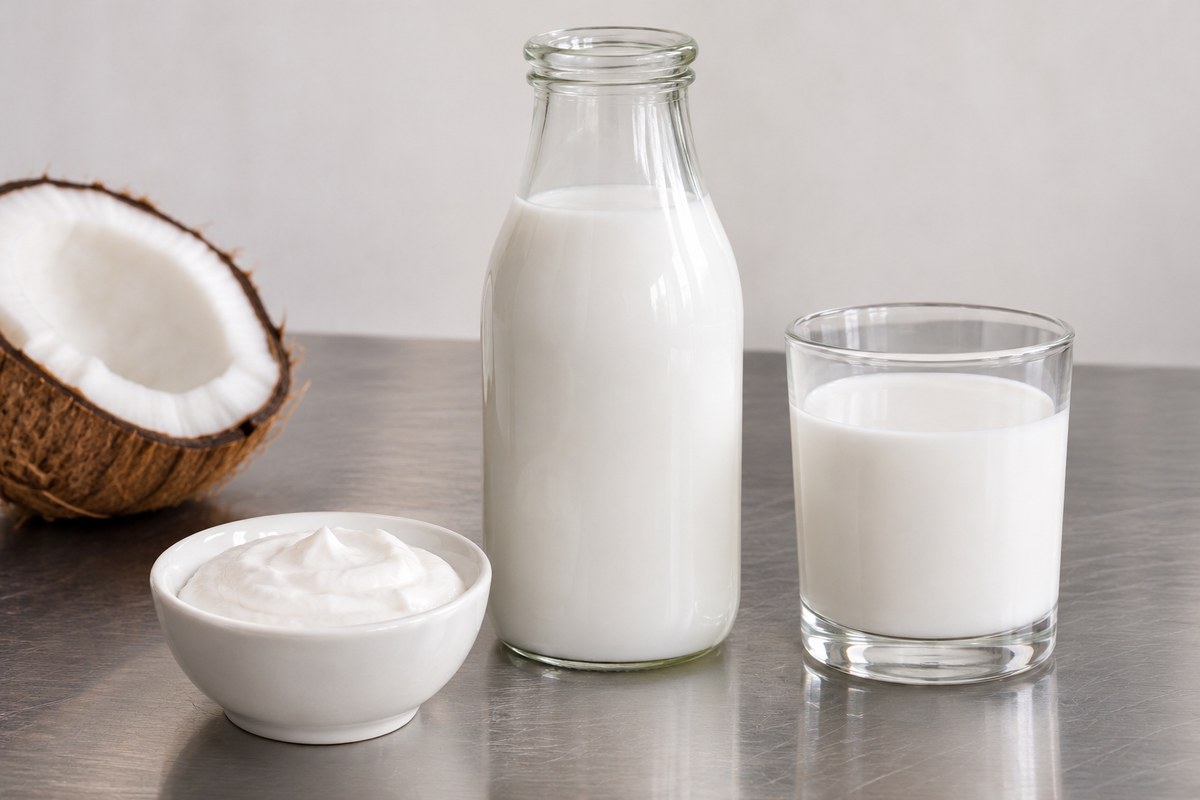
AGICO designs customizable coconut milk processing lines for the commercial production of coconut milk, coconut cream and formulated coconut beverages. With capacities from 1 to 10 T/H, the line can integrate coconut meat preparation, grinding, configurable extraction, filtration, standardization, homogenization, heat treatment and filling. Equipment is selected around the incoming raw material, target fat and total solids, packaging format and required distribution route.
A coordinated processing line helps reduce manual product transfer, supports consistent operation and creates a hygienic path from prepared coconut meat to packaged product. The layout and automation level can be adapted to available utilities, floor space and future production plans.
Coconut Milk Production Process
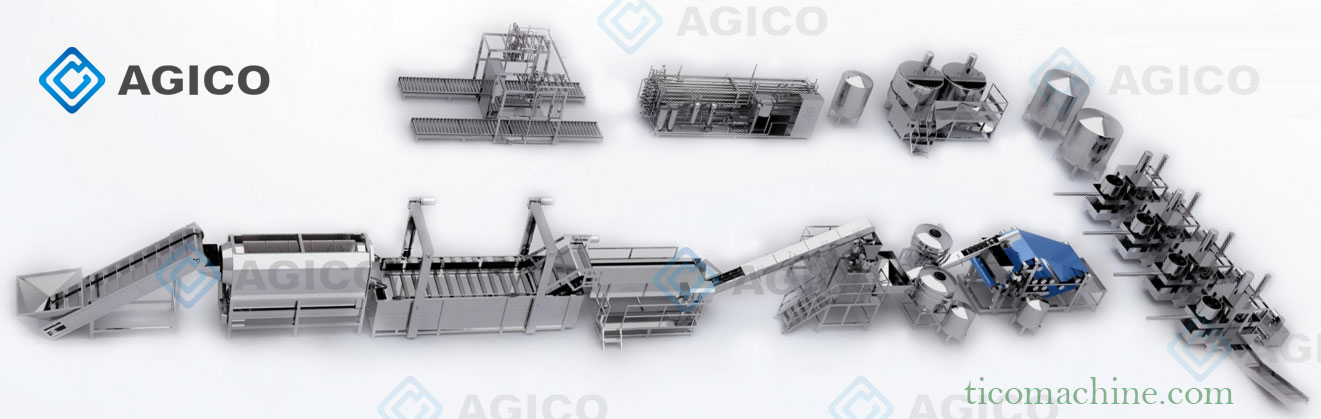
The production route connects receiving and elevating → drum washing → blanching when required → inspection and arrangement → screw conveying → crushing and grinding → primary belt pressing → vibration filtration → optional secondary hydraulic pressing → standardization and mixing → homogenization → vacuum degassing → pasteurization or UHT treatment → filling. The final route depends on whether the plant will produce refrigerated coconut milk, shelf-stable UHT products, higher-fat coconut cream or bulk ingredients for further processing.
Blanching, secondary pressing and vacuum degassing are configured around the raw material and finished-product specification. This allows the line to match the required extraction route, flavor profile, emulsion stability and packaging method without adding unnecessary equipment.
Plan Your Coconut Milk Process
Coconut Meat Preparation and Grinding
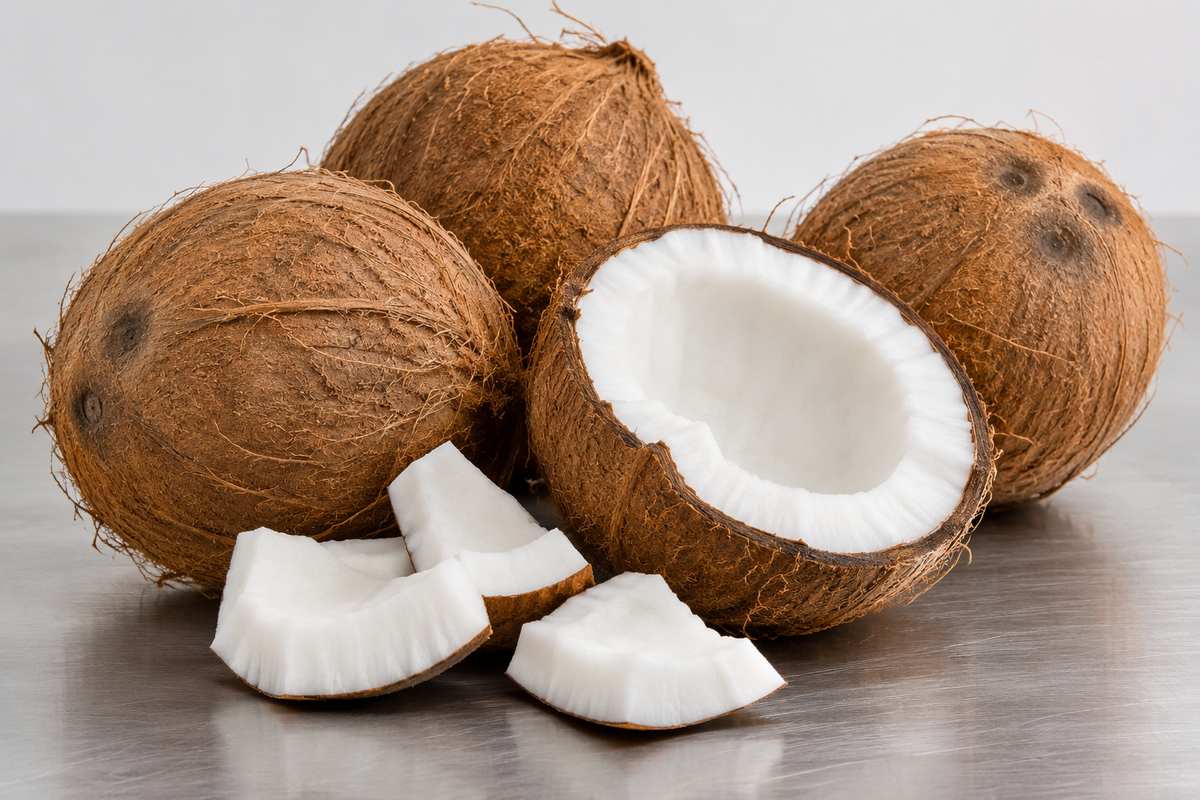
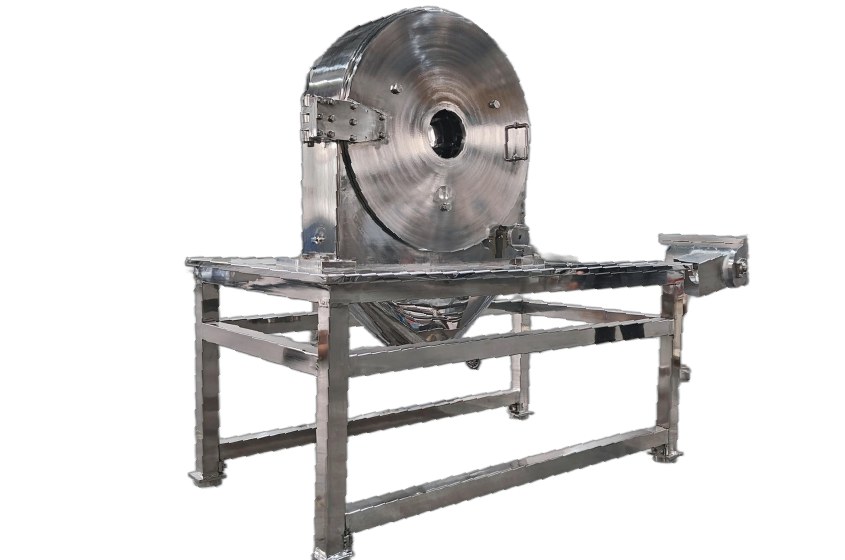
Depending on the project boundary, the line can receive deshelled mature coconuts or prepared coconut meat. The meat is washed before processing, while brown testa removal can be included when a lighter color and a milder sensory profile are required. A coconut meat grinder reduces the material to uniform particles suited to the selected extraction equipment.
Core Equipment in a Coconut Milk Production Line
Coconut Milk Extraction Machine and Pressing System
Screw Type Coconut Milk Extractor
The industrial coconut milk extractor uses continuous screw pressing to separate coconut milk from prepared coconut meat. As the core coconut milk extraction machine in the line, it supports efficient mechanical extraction and continuous discharge of the remaining coconut solids. Actual recovery varies with coconut maturity, meat preparation, moisture, pressing conditions and the target product specification.
Secondary Coconut Milk Press Machine
An optional coconut milk press machine, such as a secondary belt press, can be added to recover additional liquid from the first-stage press cake when required by the production plan. The single-stage or two-stage arrangement is selected according to raw material condition, recovery target and plant capacity.
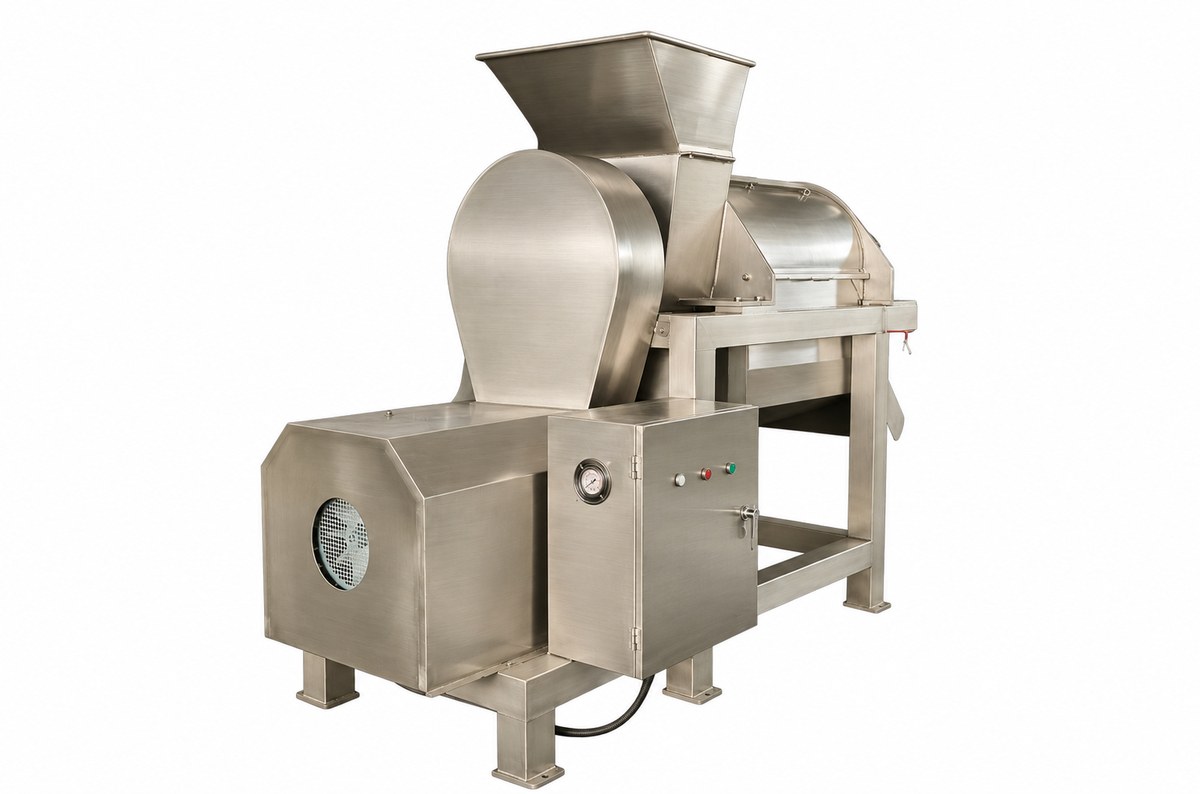
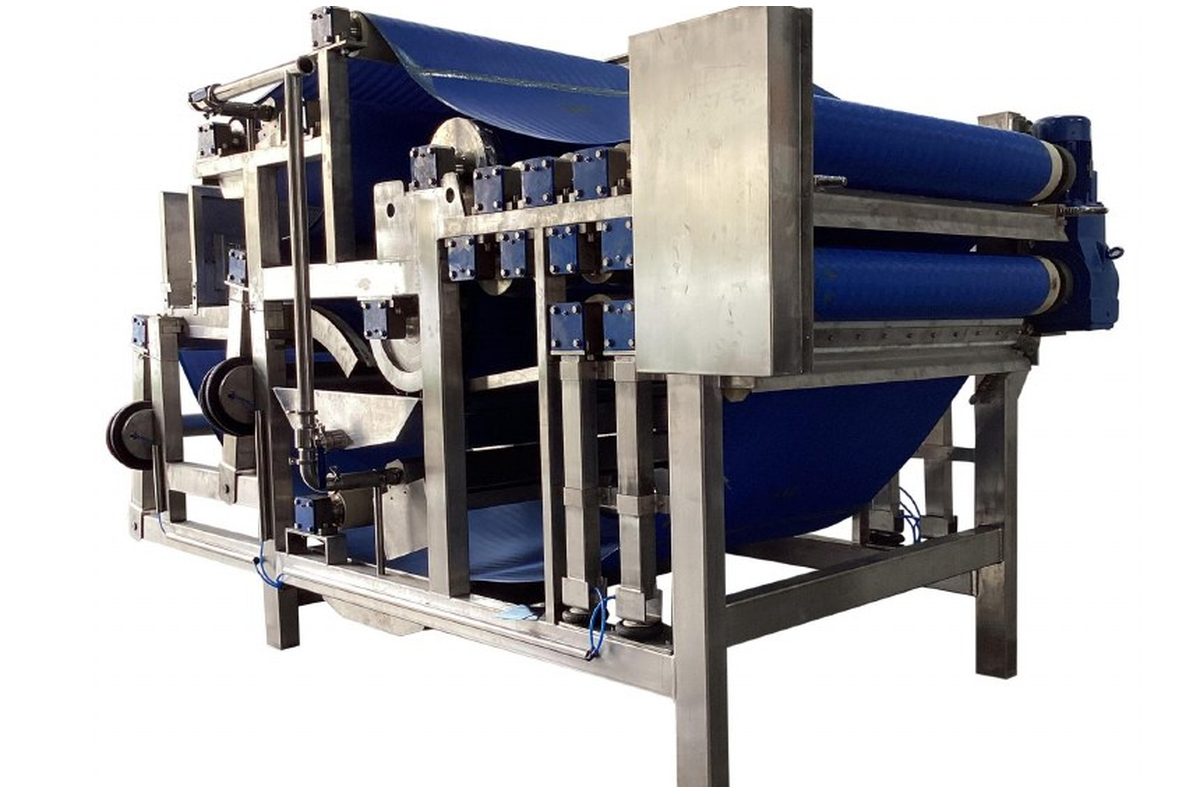
Primary screw extraction equipment and an optional secondary belt press for additional recovery.
Filtration After Coconut Milk Extraction
The extracted coconut milk passes through screen or vibration filtration to remove coarse fiber before standardization and blending. A finer polishing stage can be configured when required by the finished product or downstream equipment.
Coconut Milk Blending Homogenization and Heat Treatment
Standardization Blending and Homogenization
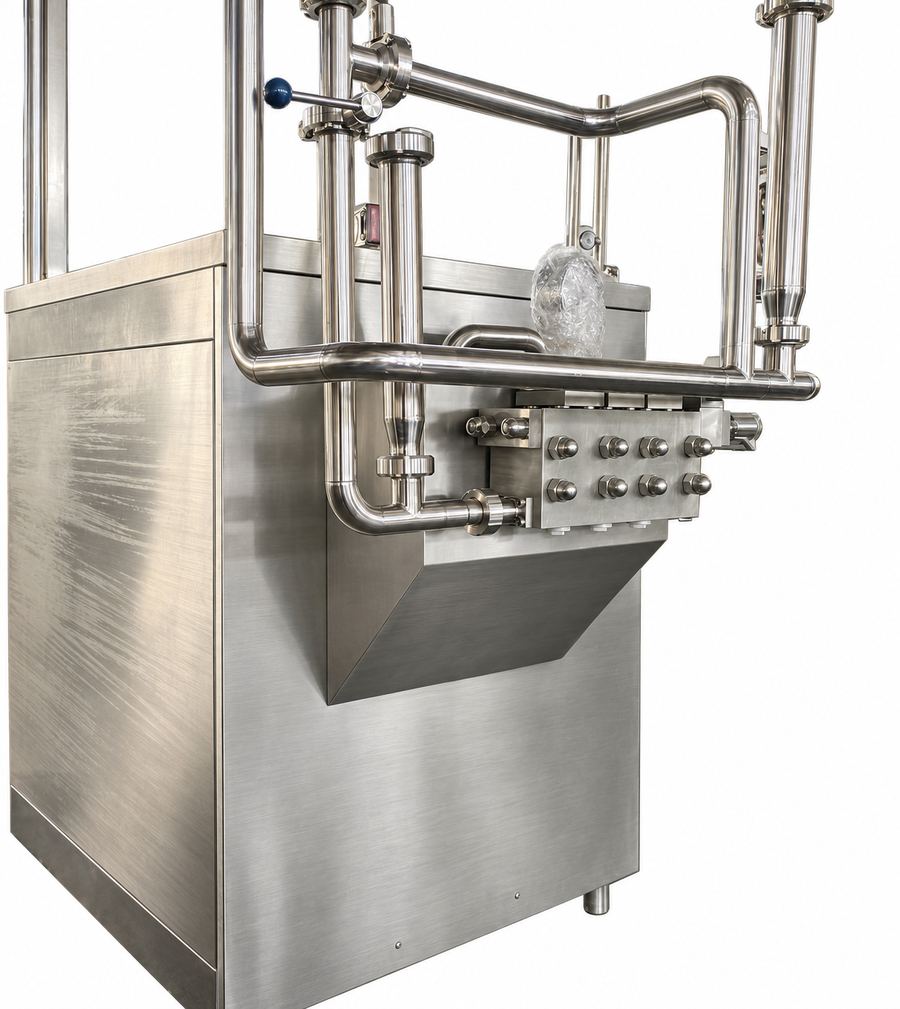
Filtered coconut milk can be standardized in a blending tank to reach the required fat and total-solids range. Water, coconut water, cream fractions and permitted formulation ingredients may be introduced according to the approved recipe. A high-pressure homogenizer reduces fat droplet size and helps create a smoother mouthfeel and more uniform dispersion. Homogenization pressure and the number of stages are selected according to fat content, formulation and downstream heat treatment.
Heat Treatment and Filling
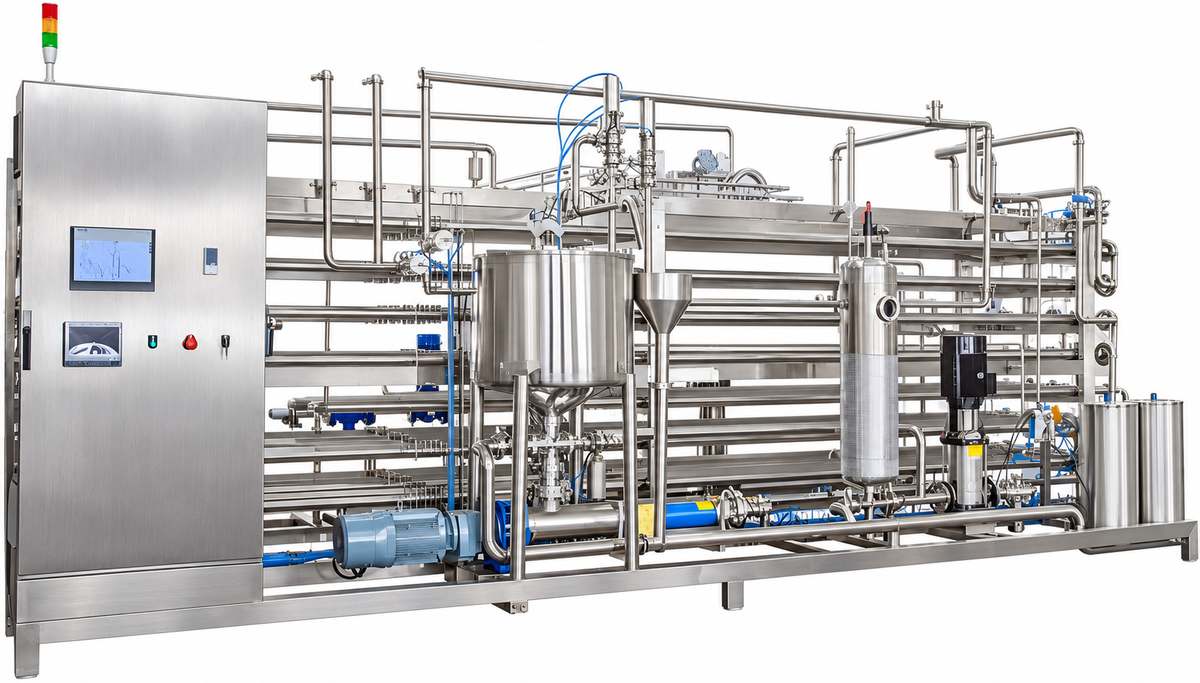
Pasteurization can be configured for products distributed under refrigeration. For shelf-stable applications, a tubular UHT system with compatible aseptic filling can be supplied. The required time-temperature program, sterile-zone controls, packaging system and declared shelf life must be validated for the final product. Separate fillers can be selected for aseptic bags, bottles or cans.
Request a Coconut Milk Line Proposal
Pasteurized and UHT Coconut Milk Production Routes
Pasteurized Coconut Milk for Chilled Distribution
This route combines extraction, filtration, formulation, homogenization, pasteurization, cooling and hygienic filling. It is suited to products that will be stored and distributed under a controlled cold chain. Packaging may include bottles, cups or pouches when the corresponding filling system is included.
UHT Coconut Milk for Aseptic Ambient Distribution
The UHT route uses rapid heat treatment followed by aseptic holding and filling in a compatible package. When the complete process and packaging system are properly validated, this route can support ambient distribution without relying on a continuous cold chain.
Coconut Cream and Higher Solids Products
Coconut cream is generally standardized to a higher fat and total-solids content than coconut milk. The line can be configured with suitable blending, homogenization and heat-treatment conditions for cream, culinary products or bulk ingredients, based on the buyer's specification.
Features of Coconut Milk Processing Equipment
Configurable extraction
Choose a single-stage or two-stage arrangement according to the raw material, recovery target and product plan.
Controlled product standardization
Blending and homogenization sections support repeatable fat, solids, texture and dispersion targets when operated with a validated formulation.
Hygienic process construction
Product-contact components can be supplied in SUS304 or SUS316L, with sanitary piping and CIP integration selected for the process conditions.
Scalable automation
PLC and HMI control can coordinate key equipment and record selected operating parameters, with instrumentation matched to the agreed project scope.
Coconut Milk Processing Line Project
These project photos show coconut meat conveying, pressing, extraction, filtration, process tanks and filling equipment operating in coconut-processing plants. The final equipment scope and layout are configured for each plant.
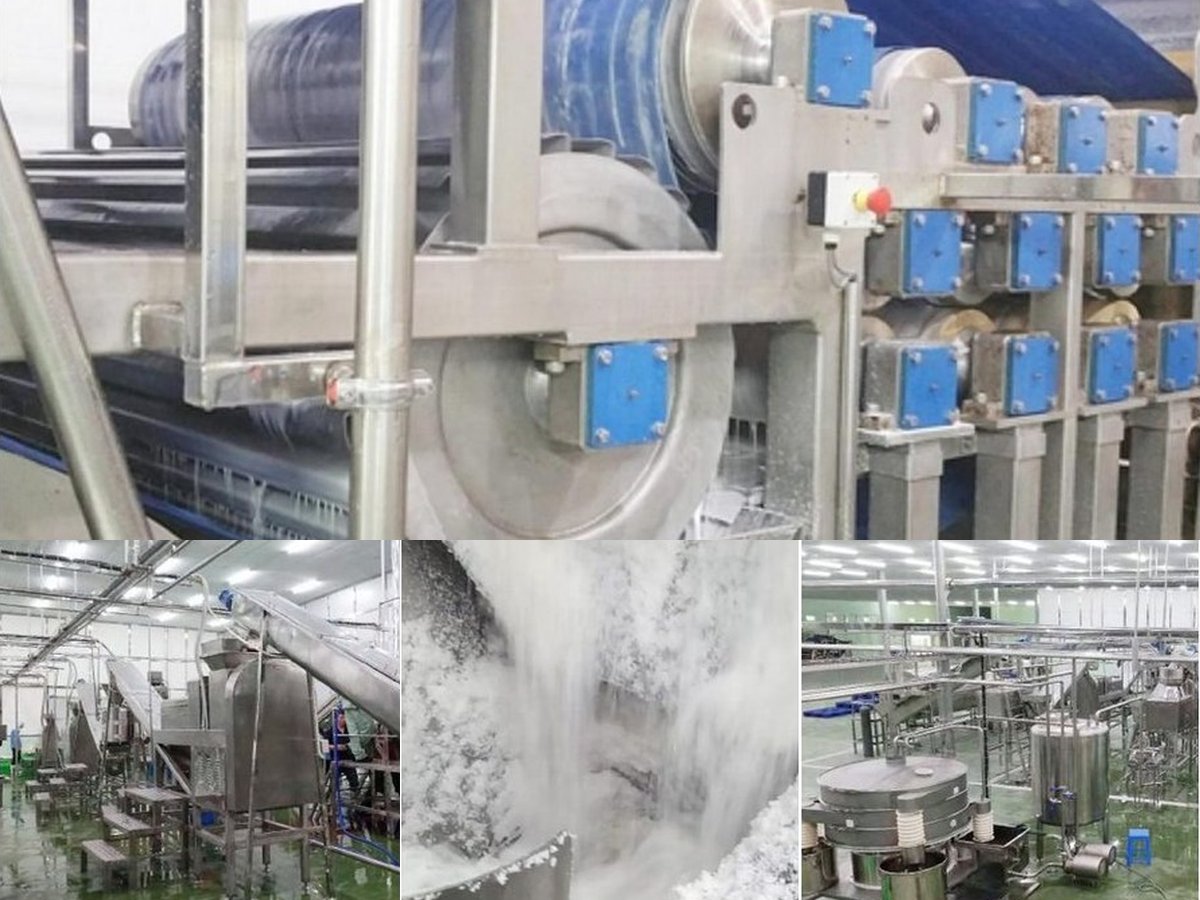
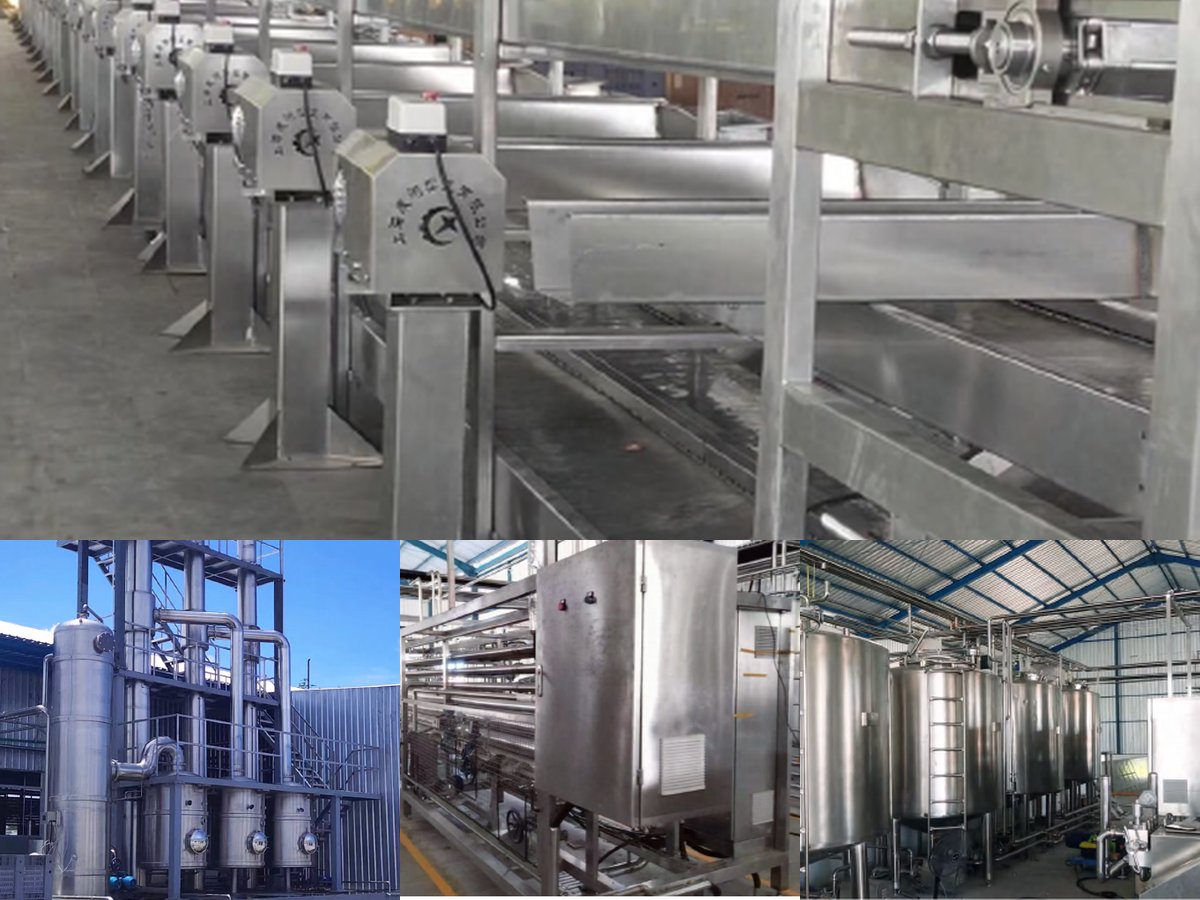
Pressing, extraction, processing equipment and tanks in coconut processing projects.
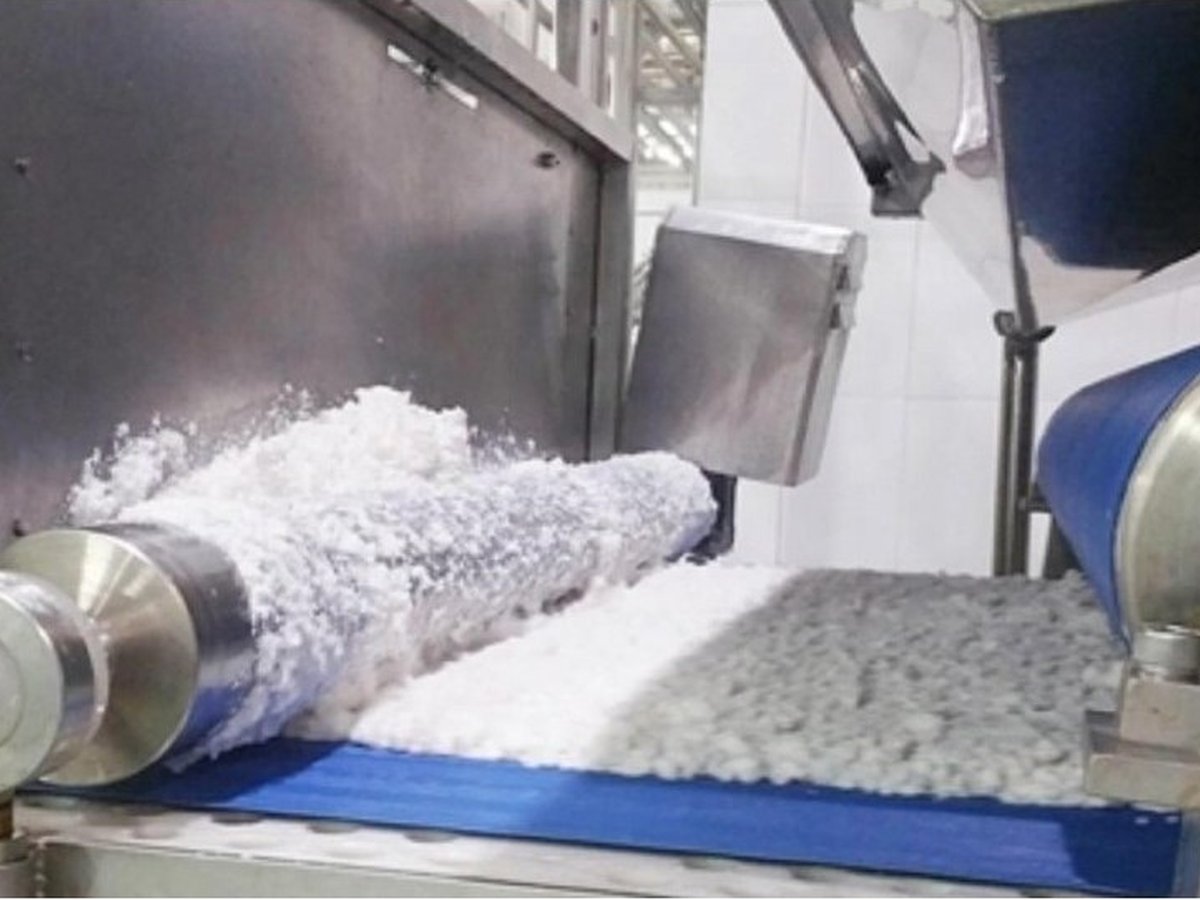
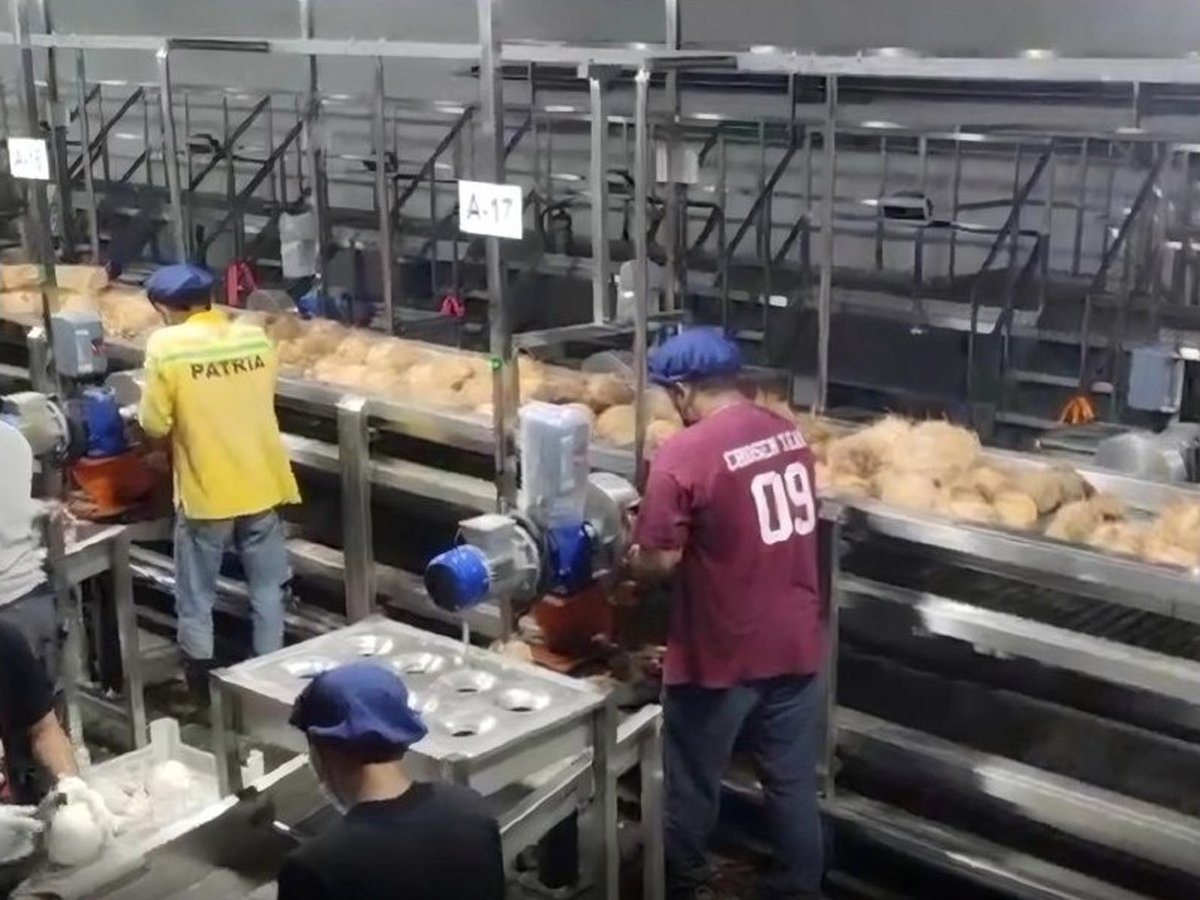
Coconut meat extraction and pretreatment equipment operating at project sites.
Technical Specifications of Coconut Milk Processing Line
| Capacity | 1–10 T/H, customizable |
| Raw material | Mature coconut meat or deshelled coconuts, according to the selected pretreatment scope |
| Finished products | Coconut milk, coconut cream and formulated coconut beverages |
| Extraction | Screw-type coconut milk extractor with an optional secondary coconut milk press machine or another suitable extractor |
| Product-contact material | SUS304 or SUS316L, selected according to process conditions and project requirements |
| Filtration | Screen or vibration filtration; finer polishing can be configured when required |
| Homogenization | High-pressure homogenizer configured according to product formulation and stability target |
| Heat treatment | Pasteurization or tubular UHT treatment |
| Control | PLC and HMI control; sensors and recorded parameters according to the agreed automation scope |
| Cleaning | CIP cleaning system available for compatible sections |
| Packaging | Aseptic bag-in-box, bottles, cans or another agreed package; a compatible filling system is configured for each format |
| Utilities | Electricity, process water, steam, cooling and compressed air requirements are calculated from the final configuration |
The final equipment list, utility load and process parameters are confirmed after the raw material, product formulation, package and site conditions are reviewed.
Request a Custom Configuration
Coconut Milk Processing Line FAQs
What is the difference between coconut milk and coconut cream?
Coconut cream is generally standardized to a higher fat and total-solids content than coconut milk. The extraction and blending route should therefore be selected around the required product specification rather than a fixed first-press or second-press definition.
Should the line use single-stage or two-stage extraction?
A single screw press may be suitable for some products and capacities. A second extraction stage can be added when the project requires further recovery from the first press cake. The choice depends on coconut condition, product target and the value of the recovered solids.
How is coconut milk separation controlled?
Product stability is managed through fat and solids standardization, formulation, homogenization, heat treatment and storage conditions. Homogenization reduces droplet size and can improve dispersion, while final stability should be confirmed through product trials and shelf-life validation.
Can the same plant produce chilled and shelf-stable coconut milk?
The plant can be designed with different heat-treatment and filling routes. Chilled products normally use pasteurization, cooling and refrigerated distribution, while shelf-stable products require a validated UHT and aseptic packaging route.
Can the line process coconut meat with the brown testa attached?
Yes, but the testa can affect product color and sensory properties. A paring step can be included when the target product requires lighter-colored coconut milk or cream.
What does an industrial coconut milk making machine include?
At commercial scale, a coconut milk making machine can include meat preparation, grinding, extraction, filtration, blending, homogenization, heat treatment and filling. The configuration depends on the target product, capacity and package.
What information is needed to configure a coconut milk plant?
Please provide the incoming raw material condition, target capacity, finished product, fat or solids target, packaging format, required distribution route, available utilities and factory layout. These details allow the equipment and process scope to be matched to the project.
Plan Your Coconut Milk Processing Plant
A useful preliminary proposal starts with the product and operating conditions. Prepare the following information before requesting a configuration:
AGICO uses these details to prepare a preliminary process flow, equipment list and layout direction for the project.
- Fruit Juice Production Line
- Citrus Juice Processing Line
- Mango juice production line
- Apple Juice Processing Line
- Pineapple Juice Processing Line
- Pomegranate juice processing line
- Lychee juice processing plant
- Grape Juice Processing Line
- Full Automatic Milk Processing Plant
- Plant Protein Beverage Production Line
- Coconut Water Processing Line
- Industrial Coconut Milk Processing Line and Extraction Equipment
- Fruit Crusher Machine
- Tubular Fruit Preheater
- Steam Jacketed Kettle
- Fruit Belt Press Filter
- Spiral Juice Extractor
- Fruit Peeling and Squeezing Machine
- Citrus Fruits Peel Essential Oil Extractor
- Double Screw Extractor for Grape
- Fruit Pulping Machine
- Mango Peeling and Destoning Machine
- Grape Destemmer Crusher
- Automatic Coconut Cutting Machine
- Tender Coconut Half Cutting Machine
- grape wine squeezing machine

Compare four industrial fruit washing machine types and AGICO bubble washer models. Select by capacity, cleaning action, materials and fruit handling....
Follow six industrial mango juice processing steps, from sorting and pulping to blending, heat treatment, filling and cooling. See equipment choices and figures to confirm....
Compare gravity, pressure, vacuum, flow-meter and weighing juice filling machines. Learn how beverage type, bottle, capacity and cleaning needs guide selection....