
Stainless Steel Tanks for Juice and Beverage Processing
Stainless steel tanks provide storage, mixing and process holding for fruit juice, jam, tea beverages, dairy products and other suitable liquids. Choose the vessel design according to product properties, temperature control, agitation and cleaning requirements.
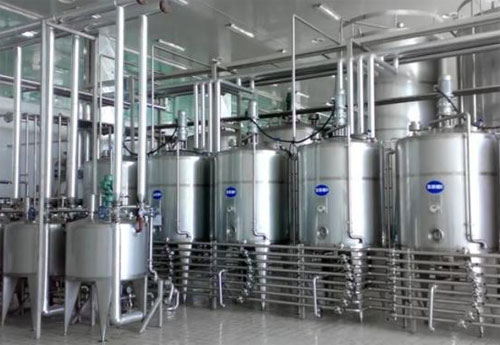
Stainless Steel Storage and Mixing Tank Types
Storage Tanks
Storage or buffer tanks hold liquid between process stages. Confirm the required volume, outlet location, venting, cleaning access and any temperature-control needs.
Blending Tanks
A stainless steel mixing tank can combine ingredients or support controlled heating and cooling when fitted with the appropriate agitator and jacket. Specify the mixing duty, viscosity and target batch time.
Enzymatic Treatment Tanks
For suitable juice processes, an agitated tank can support controlled temperature and pH during enzyme treatment. Tank design should match the recipe, residence time and subsequent cooling or discharge step.
Emulsion and Dairy Mixing Tanks
Mixing tanks can be specified for dairy or beverage formulations containing powders, stabilizers and other ingredients. The agitator and shear level depend on the product; a separate homogenizer may be required for finer dispersions.
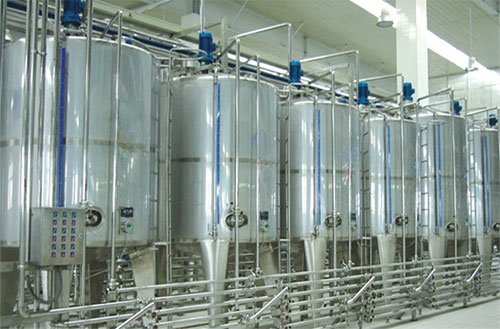
Stainless Steel Tank Capacity and Construction Options
- The listed capacity range is 100–30,000 L, subject to the selected vessel type and project design.
- Product-contact stainless-steel grade, surface finish and weld treatment should be confirmed in the final specification.
- Single-wall, insulated double-wall and jacketed configurations are available according to heating, cooling or holding duties.
- The listed insulation thickness is 50–60 mm for applicable insulated designs; confirm the material and thickness for the ordered tank.
- Paddle, anchor, propeller and frame-type agitators may be selected to suit the product.
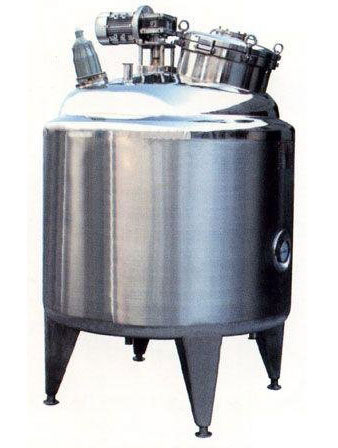
How to Specify a Stainless Steel Tank
Provide the product, working volume, temperature range, mixing duty, cleaning method, inlet/outlet arrangement, available utilities and installation space. For a complete system, review where the tank fits within the fruit juice production line before final selection.
- Fruit Juice Production Line
- Citrus Juice Processing Line
- Mango juice production line
- Apple Juice Processing Line
- Pineapple Juice Processing Line
- Pomegranate juice processing line
- Lychee juice processing plant
- Grape Juice Processing Line
- Full Automatic Milk Processing Plant
- Plant Protein Beverage Production Line
- Fruit Crusher Machine
- Tubular Fruit Preheater
- Steam Jacketed Kettle
- Fruit Belt Press Filter
- Spiral Juice Extractor
- Fruit Peeling and Squeezing Machine
- Citrus Fruits Peel Essential Oil Extractor
- Double Screw Extractor for Grape
- Fruit Pulping Machine
- Mango Peeling and Destoning Machine
- Grape Destemmer Crusher
- Automatic Coconut Cutting Machine
- Tender Coconut Half Cutting Machine
- grape wine squeezing machine
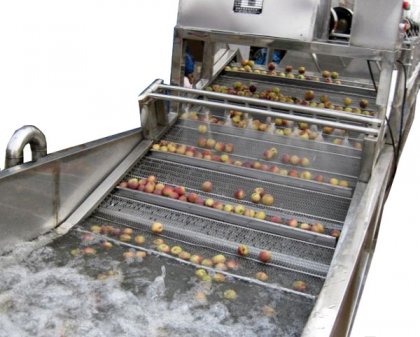

Compare four industrial fruit washing machine types and AGICO bubble washer models. Select by capacity, cleaning action, materials and fruit handling....
Follow six industrial mango juice processing steps, from sorting and pulping to blending, heat treatment, filling and cooling. See equipment choices and figures to confirm....
Compare gravity, pressure, vacuum, flow-meter and weighing juice filling machines. Learn how beverage type, bottle, capacity and cleaning needs guide selection....