
Juice filling machines should be selected for the beverage, container and preservation process. A still fruit juice, a carbonated drink and a pulp-containing puree may need different filling methods. This guide explains common liquid filling principles and the information a producer should confirm before choosing a machine.
Types of Juice and Liquid Filling Machines
Filling equipment can also be classified by material form, such as liquid, paste, powder or granule. For juice projects, the more useful comparison is how the machine controls the liquid and measures the filled quantity. The options below are operating principles, not claims that every machine fits every juice.
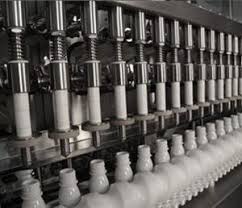
Atmospheric-Pressure or Gravity Filling
In a gravity system, liquid flows into the container under a level difference at approximately atmospheric pressure. It is commonly considered for free-flowing, non-carbonated beverages. The method used to stop filling may be time, volume or level control, depending on the machine. Confirm product viscosity, foaming, target fill tolerance and the bottle design before selecting it.
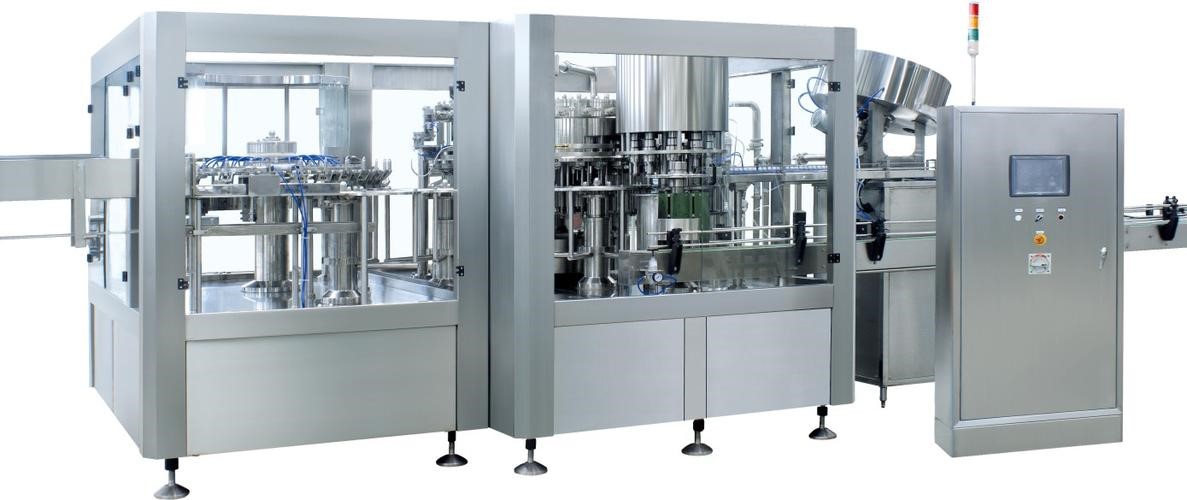
Pressure and Isobaric Filling
A pressure filler uses controlled pressure to move the product. Isobaric filling equalizes pressure between the product tank and container and is commonly used for carbonated beverages to help control gas loss and foam. Ordinary still juice does not automatically require this method; the choice depends on whether carbonation or another process condition calls for it.
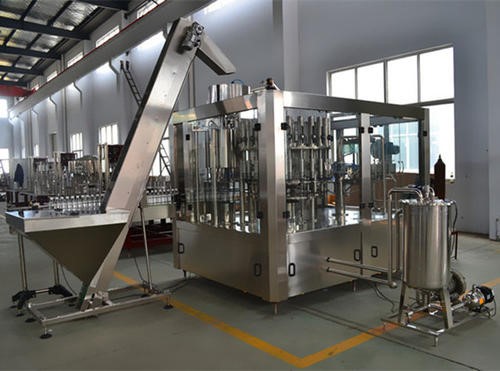
Vacuum Filling
Vacuum filling uses a pressure difference and may be selected where a consistent visible fill level is important. It requires a suitable bottle, product and vacuum setting; it is not a universal solution for all viscosities. Some machine configurations may target a 1–3 mm filled-liquid-level variation, but this figure must be confirmed by testing the actual bottle and beverage rather than treated as a guaranteed standard.
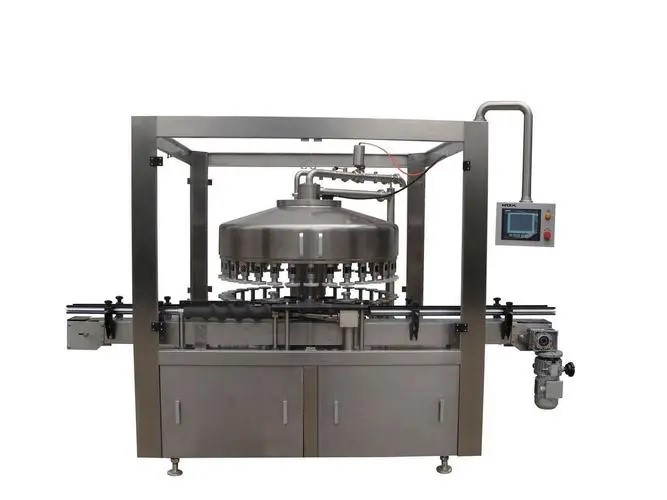
Flow-Meter Filling
A flow meter measures the delivered liquid at each filling position so the valve can close at a set quantity. Meter technology matters: an electromagnetic flow meter needs a conductive liquid, while other meter principles have different requirements. Air bubbles, pulp, viscosity and calibration can affect the selected system. Confirm the meter type and product compatibility rather than assuming all flow-meter fillers cannot handle non-conductive liquids or gases.
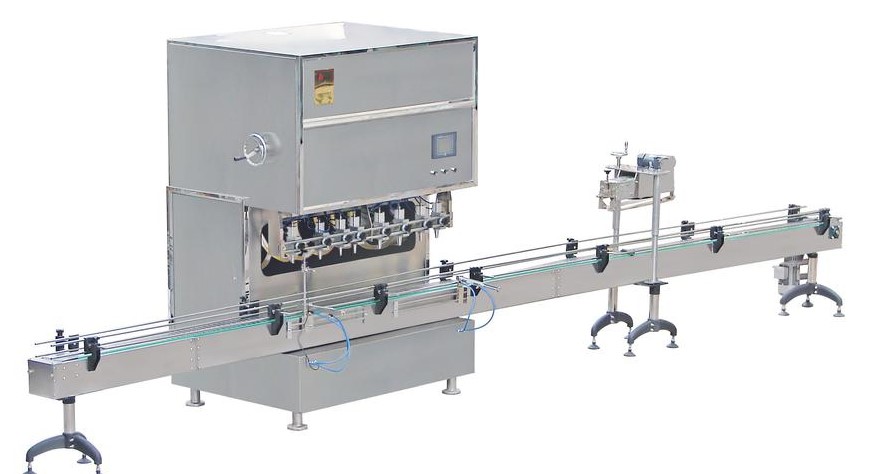
Weighing Filling
A weighing filler controls the quantity by measuring the mass delivered into each container. It can be useful for products where mass is the specified control value or where volume measurement is difficult. Accuracy depends on the load-cell system, vibration, container handling and calibration; it cannot be assumed to outperform every other filling method. Compare tested accuracy and operating cost for the actual product.
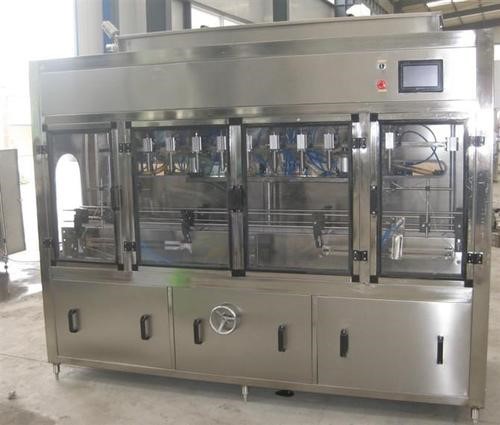
PET Bottle Rinsing, Filling and Capping Machine
A PET bottle machine may combine rinsing, filling and capping in one unit. That layout describes the machine stages, while the filling principle and process conditions still need separate specification. Hot filling applies only when the recipe, bottle and closure are suitable and the preservation process is validated. Milk and other low-acid products require their own safety assessment; they should not be treated as interchangeable with acidic fruit juice. The FDA Juice HACCP guidance explains why juice hazard controls depend on the product.
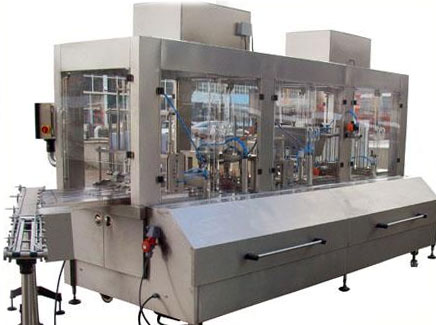
How to Select a Juice Filling Machine for Production
- Match the process: Define the juice recipe, acidity, pulp, viscosity, carbonation, preservation method and target shelf life.
- Meet capacity and quality requirements: State bottles per hour, fill tolerance, foaming limits, closure checks and the expected operating schedule.
- Choose an appropriate automation level: Compare labor needs, controls, line integration and the planned growth of production.
- Allow for product and pack changes: Check bottle sizes, changeover time, cleaning access, spare parts and whether the machine can handle the actual range of products.
Before ordering, request a product-and-bottle trial, the equipment scope, utility requirements and the method used to verify fill quantity. AGICO's filling and packing equipment includes several packaging options; the final configuration should be chosen against your juice and container specification.
- Fruit Juice Production Line
- Citrus Juice Processing Line
- Mango juice production line
- Apple Juice Processing Line
- Pineapple Juice Processing Line
- Pomegranate juice processing line
- Lychee juice processing plant
- Grape Juice Processing Line
- Full Automatic Milk Processing Plant
- Plant Protein Beverage Production Line
- Coconut Water Processing Line
- Industrial Coconut Milk Processing Line and Extraction Equipment
- Fruit Crusher Machine
- Tubular Fruit Preheater
- Steam Jacketed Kettle
- Fruit Belt Press Filter
- Spiral Juice Extractor
- Fruit Peeling and Squeezing Machine
- Citrus Fruits Peel Essential Oil Extractor
- Double Screw Extractor for Grape
- Fruit Pulping Machine
- Mango Peeling and Destoning Machine
- Grape Destemmer Crusher
- Automatic Coconut Cutting Machine
- Tender Coconut Half Cutting Machine
- grape wine squeezing machine
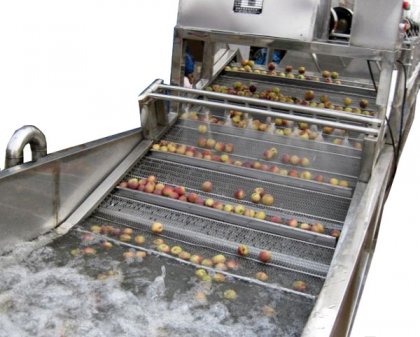

Compare four industrial fruit washing machine types and AGICO bubble washer models. Select by capacity, cleaning action, materials and fruit handling....
Follow six industrial mango juice processing steps, from sorting and pulping to blending, heat treatment, filling and cooling. See equipment choices and figures to confirm....
Compare gravity, pressure, vacuum, flow-meter and weighing juice filling machines. Learn how beverage type, bottle, capacity and cleaning needs guide selection....