
Fruit Sorting Machine for Roller Size Grading
The fruit sorting machine uses moving rollers to grade suitable produce by size after washing. It can also support a manual inspection stage where operators remove visibly unsuitable fruit. Mechanical size grading and quality inspection are different functions; the required sorting standard should be defined for the line.

How the Rolling Rail Fruit Sorter Works
Rollers travel along spiral tracks while the gap between adjacent rollers gradually increases. Produce drops through a matching gap into the selected outlet, separating it by approximate size. The source mentions around 1 mm sorting accuracy, but this needs confirmation with representative product samples and a defined measurement method. Gentle handling also depends on fruit condition and conveyor settings.
 |
 |
Fruit Sorting and Grading Applications
Apples, carrots, strawberries, blackberries and onions are examples listed for this machine. Review size range, fragility, shape and the number of required grades before selecting a roller setting. Optional spray devices, reject collection, discharge chutes and waste conveying can be designed for the project. The sorter can feed a crusher or other stage in a fruit juice production line.
 |
 |
Roller Fruit Sorting Machine Features
- Rotating rollers move produce forward while increasing gaps separate it into size grades.
- A secondary spray rinse can be specified where the process requires it.
- The described machine includes a frame, reducer and rollers; confirm stainless-steel grades and product-contact surfaces in the final specification.
- Motor protection, oil collection and reject handling options should be specified for the site layout and hygiene plan.

Fruit Sorting Machine Models and Technical Data
| Model | Listed power* | Capacity (t/h) | Size (mm) |
|---|---|---|---|
| GXJ-2 | 0.55 | 1–2 | 3000 × 600 × 1200 |
| GXJ-5 | 0.75 | 2–5 | 3500 × 700 × 1200 |
| GXJ-10 | 1.5 | 5–10 | 4000 × 850 × 1200 |
| GXJ-15 | 2.2 | 10–15 | 5000 × 1000 × 1200 |
| GXJ-20 | 3.0 | 15–20 | 6000 × 1200 × 1200 |
*The original supplier table labels the power unit “KM”; confirm whether these listed values are in kW before using them as a procurement specification. Capacity also depends on product and grading criteria.
Fruit Sorter Operation and Maintenance
Keep the frame level, check fasteners and guards before starting, and prevent tools or stones from entering the roller path. Monitor motor load and temperature during operation. Follow the equipment manual for cleaning, food-contact hygiene and lubrication. The source suggests gearbox oil review every six months and transmission-component lubrication every quarter; verify the actual intervals and lubricant grade for the supplied model.
 |
 |
For a quotation, provide fruit type, size range, target capacity, number of grades, reject handling and available installation space.
- Fruit Juice Production Line
- Citrus Juice Processing Line
- Mango juice production line
- Apple Juice Processing Line
- Pineapple Juice Processing Line
- Pomegranate juice processing line
- Lychee juice processing plant
- Grape Juice Processing Line
- Full Automatic Milk Processing Plant
- Plant Protein Beverage Production Line
- Fruit Crusher Machine
- Tubular Fruit Preheater
- Steam Jacketed Kettle
- Fruit Belt Press Filter
- Spiral Juice Extractor
- Fruit Peeling and Squeezing Machine
- Citrus Fruits Peel Essential Oil Extractor
- Double Screw Extractor for Grape
- Fruit Pulping Machine
- Mango Peeling and Destoning Machine
- Grape Destemmer Crusher
- Automatic Coconut Cutting Machine
- Tender Coconut Half Cutting Machine
- grape wine squeezing machine
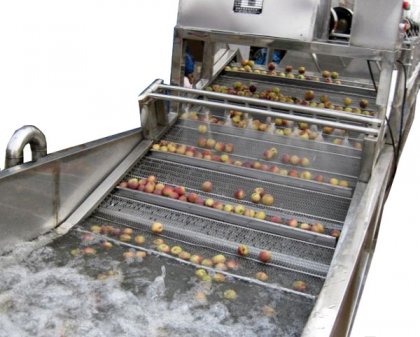

Compare four industrial fruit washing machine types and AGICO bubble washer models. Select by capacity, cleaning action, materials and fruit handling....
Follow six industrial mango juice processing steps, from sorting and pulping to blending, heat treatment, filling and cooling. See equipment choices and figures to confirm....
Compare gravity, pressure, vacuum, flow-meter and weighing juice filling machines. Learn how beverage type, bottle, capacity and cleaning needs guide selection....