
Types of Fruit Juice and Fruit Juice Beverages
Fruit-based drinks can be grouped by ingredients and processing method. Common categories include 100% fruit juice, juice from concentrate, fruit purée or pulp, nectar and juice drinks. The permitted names and minimum fruit content depend on the sales market, so a “juice beverage” should not automatically be treated as 100% juice.

Juice may be made from apple, orange, mango, pineapple, grape, cranberry and many other fruits. These fruits differ in flavour, acidity, soluble solids and pulp content. Compare the product name, fruit percentage, ingredient list and nutrition label when evaluating finished drinks.
Fresh juice
Freshly extracted juice is made by pressing or extracting fruit and is often sold for prompt consumption. Freshness alone does not prove higher nutritional value or microbiological safety. Untreated juice can carry harmful microorganisms; processors need an appropriate validated treatment and handling plan for their product and market. Follow the label’s storage instructions and use-by date.

Single juice
Single-fruit juice is made from one named fruit, such as orange, apple, mango or passion fruit. Fruit variety and processing affect flavour, colour and pulp. Check whether the label identifies the product as juice, juice from concentrate, nectar or a juice drink; these terms do not mean the same thing.

Mixed fruit juices
Mixed fruit juice combines juice from two or more fruits. A blend may balance sweetness, acidity, colour and flavour; for example, grapefruit can be paired with another fruit to soften its bitter taste. The final formulation and label should state the relevant ingredients and fruit content.

Fruit and vegetable beverage
Fruit-and-vegetable blends combine juice or purée from fruit and vegetables. The formulation may include different proportions of carrot, beet, apple or other ingredients. Product naming, fruit and vegetable percentages, and processing conditions should be checked against the destination market’s requirements.

Milk juice
Some blended beverages combine fruit ingredients with milk, fermented milk or other dairy components. These are formulated beverages rather than plain fruit juice. Their heat treatment, allergen information, packaging and storage requirements need to be assessed for the actual recipe. A plant-protein drink is another distinct category; neither should be assumed to use the same process as an acidic fruit juice.

For commercial equipment planning, explore a fruit and vegetable juice drink production line or a separate plant protein beverage production line. The diagram below illustrates the latter process.

Product List
Complete Line
Food Processing Machine
Robot Palletizer
- Fruit Juice Production Line
- Citrus Juice Processing Line
- Mango juice production line
- Apple Juice Processing Line
- Pineapple Juice Processing Line
- Pomegranate juice processing line
- Lychee juice processing plant
- Grape Juice Processing Line
- Full Automatic Milk Processing Plant
- Plant Protein Beverage Production Line
- Coconut Water Processing Line
- Industrial Coconut Milk Processing Line and Extraction Equipment
- Fruit Crusher Machine
- Tubular Fruit Preheater
- Steam Jacketed Kettle
- Fruit Belt Press Filter
- Spiral Juice Extractor
- Fruit Peeling and Squeezing Machine
- Citrus Fruits Peel Essential Oil Extractor
- Double Screw Extractor for Grape
- Fruit Pulping Machine
- Mango Peeling and Destoning Machine
- Grape Destemmer Crusher
- Automatic Coconut Cutting Machine
- Tender Coconut Half Cutting Machine
- grape wine squeezing machine
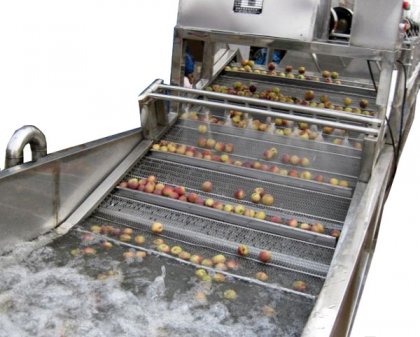

How to Choose the Best Industrial Fruit Washing Machine
Compare four industrial fruit washing machine types and AGICO bubble washer models. Select by capacity, cleaning action, materials and fruit handling....
Mango juice making process
Follow six industrial mango juice processing steps, from sorting and pulping to blending, heat treatment, filling and cooling. See equipment choices and figures to confirm....
Classification and Application Selection of Juice Filling Machines
Compare gravity, pressure, vacuum, flow-meter and weighing juice filling machines. Learn how beverage type, bottle, capacity and cleaning needs guide selection....