
Fruit jam making usually involves selecting and washing fruit, softening or preparing it, pulping, cooking with the recipe ingredients, and filling the finished product. For shelf-stable home-canned jam, use a tested fruit-specific recipe and its exact jar preparation and processing directions. The steps below describe the process and equipment, not a universal canning recipe.
Raw materials processing
Choose sound fruit and remove rotten or damaged pieces. For larger production, a fruit sorting machine can help separate incoming fruit.
Wash the fruit and prepare it as the chosen recipe requires. A fruit washing machine can be used in a production line. Do not add acid or salt to a home-canning recipe unless its tested directions call for it.
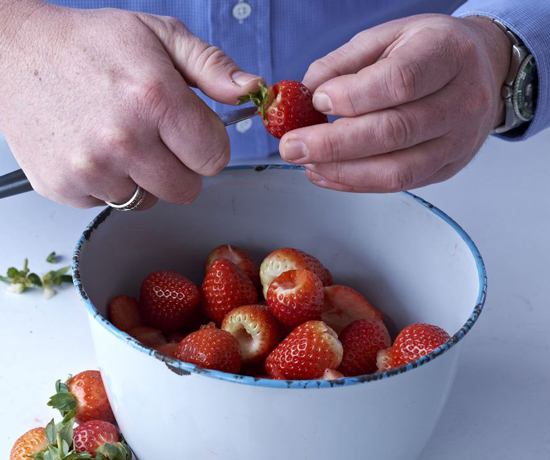
Fruit precooking and softening
Chopping and cooking needs vary by fruit and recipe. There is no single water-to-fruit ratio or cooking time that suits every jam. Follow the selected recipe for the fruit, batch size and texture.
For industrial production, a spiral continuous precooking machine may soften fruit before pulping when the process calls for it. Select its temperature and residence time for the actual fruit and downstream equipment.
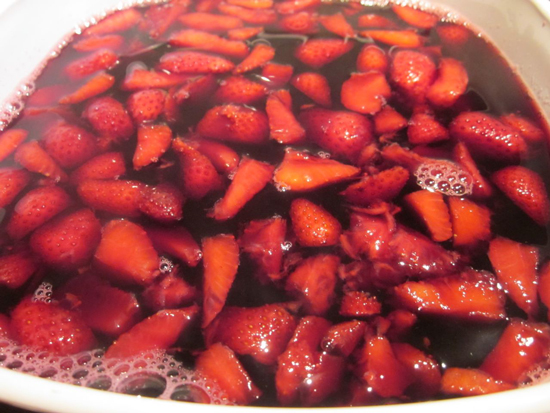
Fruit pulping process
A fruit pulping machine can make puree and separate some seeds, skins or coarse solids. Screen size and the amount of pulp retained depend on the selected machine and jam style; a 0.8 mm screen is not a requirement for every product.
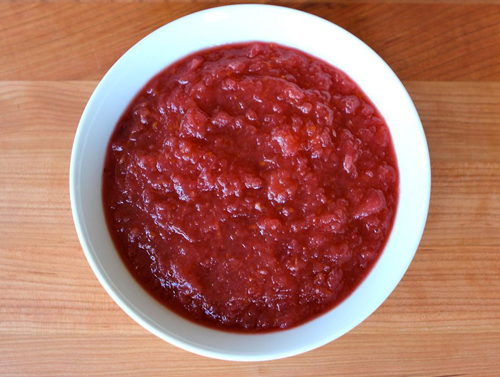
Adding sugar and concentration
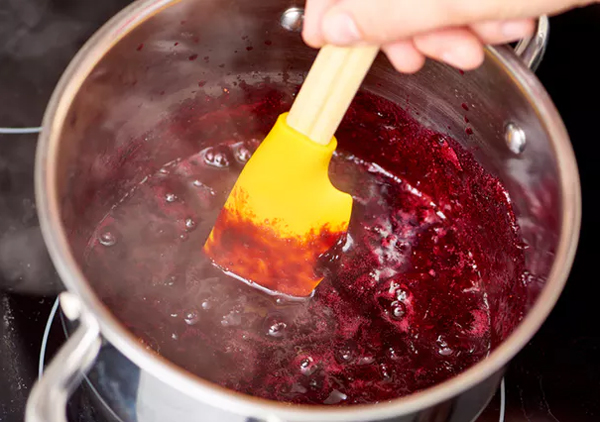
Fruit, sugar, acid and pectin quantities depend on the tested recipe or a validated commercial formulation. Do not apply one fixed sugar, solids or acid percentage to every home jam. Stir during cooking to limit scorching and use the recipe's stated test for setting.
Industrial concentration may use an atmospheric steam-jacketed kettle or a vacuum unit. Heating conditions, ingredient additions and any permitted preservatives need to match the product formulation and applicable food rules.
Fruit jam filling and processing
For shelf-stable home jam, use the jar size, headspace, lid method and boiling-water processing time specified by a tested recipe, including its altitude adjustment. Do not treat an 85 °C fill or a blanket 20-minute boil or steam step as proof that every jam is safe. See the National Center for Home Food Preservation jam guide for tested instructions.
For commercial jam, choose filling and thermal-processing equipment to suit the actual formulation, container and validated process. A piston filler may suit some viscous products, while the processing method must be established for that product and package.
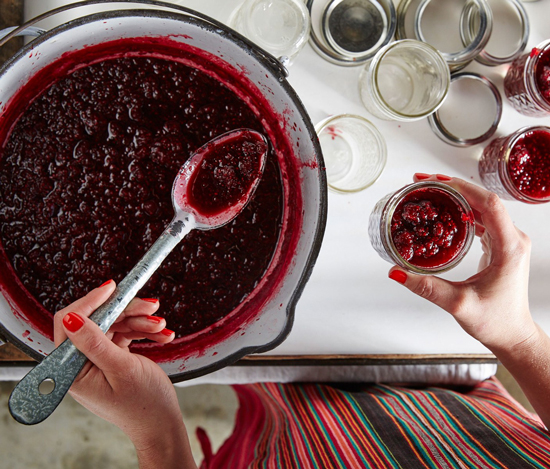
Spreadability is a texture check, not proof of microbial safety or shelf stability. Assess the final product using the specification and validated process for its intended storage conditions.
- Fruit Juice Production Line
- Citrus Juice Processing Line
- Mango juice production line
- Apple Juice Processing Line
- Pineapple Juice Processing Line
- Pomegranate juice processing line
- Lychee juice processing plant
- Grape Juice Processing Line
- Full Automatic Milk Processing Plant
- Plant Protein Beverage Production Line
- Coconut Water Processing Line
- Industrial Coconut Milk Processing Line and Extraction Equipment
- Fruit Crusher Machine
- Tubular Fruit Preheater
- Steam Jacketed Kettle
- Fruit Belt Press Filter
- Spiral Juice Extractor
- Fruit Peeling and Squeezing Machine
- Citrus Fruits Peel Essential Oil Extractor
- Double Screw Extractor for Grape
- Fruit Pulping Machine
- Mango Peeling and Destoning Machine
- Grape Destemmer Crusher
- Automatic Coconut Cutting Machine
- Tender Coconut Half Cutting Machine
- grape wine squeezing machine
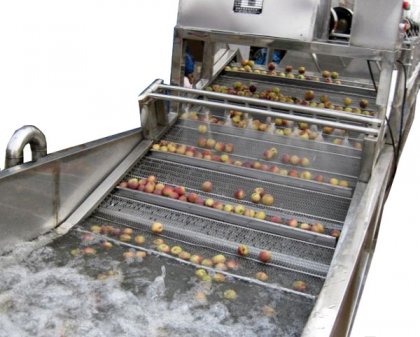

Compare four industrial fruit washing machine types and AGICO bubble washer models. Select by capacity, cleaning action, materials and fruit handling....
Follow six industrial mango juice processing steps, from sorting and pulping to blending, heat treatment, filling and cooling. See equipment choices and figures to confirm....
Compare gravity, pressure, vacuum, flow-meter and weighing juice filling machines. Learn how beverage type, bottle, capacity and cleaning needs guide selection....