
Fruit juice packaging materials include glass bottles, metal cans, paperboard cartons and plastic bottles. The right format depends on the juice formulation, filling temperature, shelf-life target, distribution conditions and local food-contact requirements. Material alone does not determine shelf life; the full processing, filling and closure system must be evaluated together.
Glass Bottles for Fruit Juice Packaging
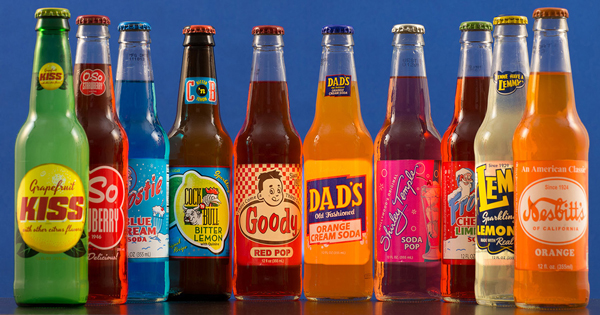
Glass bottles offer a clear view of the product and a strong barrier to gases and moisture when paired with a suitable closure. They can be used for juice products where presentation and product compatibility are priorities. Bottle and closure specifications must match the chosen filling, pasteurization and transport conditions.
Glass is relatively heavy and breakable, which can affect handling, line design and freight cost. Reuse or recycling depends on the collection system available in the target market; neither outcome should be assumed for every project.
Metal Cans for Fruit Juice Packaging
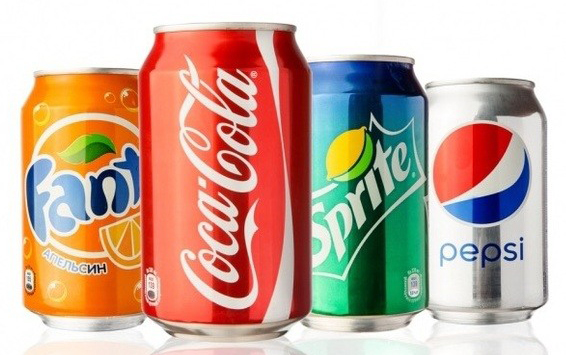
Two-piece and three-piece cans are available in different metals and constructions. A can provides a light-blocking barrier and good mechanical strength, but the can body, internal coating, end and seam must all be specified for the juice's acidity, treatment process and intended shelf life.
- Check food-contact suitability and coating compatibility with the product.
- Match the can and closure to the selected filling and heat-treatment conditions.
- Confirm seam integrity and finished-package testing as part of quality control.
- Assess local collection and recycling arrangements for the chosen material.
For a metal-can format, see our metal can filling machine. The appropriate line configuration depends on the product and package specification.
Composite cans combine paperboard, polymer and barrier layers. Their suitability for juice and thermal processing depends on the specific construction and supplier validation; they should not be treated as interchangeable with metal beverage cans.
Paperboard Cartons for Fruit Juice Packaging
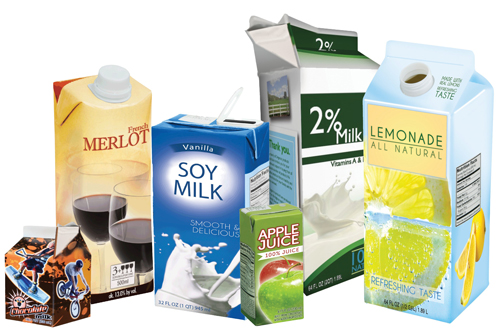
Paperboard cartons are used for various juice and beverage products. They are multilayer packages rather than plain paper: the layers and barriers vary by carton design and the product's distribution needs. Aseptic cartons require compatible product treatment, package sterilization, filling and sealing equipment.
Cartons can be compact for storage and transport, but their performance depends on the complete material structure, seal and filling method. Recycling availability and environmental impact vary by local collection and processing systems, so a blanket claim that every carton is more sustainable than other formats would be misleading.
Before selecting a carton, confirm whether the juice will be chilled, hot filled or aseptically filled, along with the required barrier and shelf-life validation. Packaging suppliers should confirm material and process compatibility.
Plastic Bottles for Fruit Juice Packaging
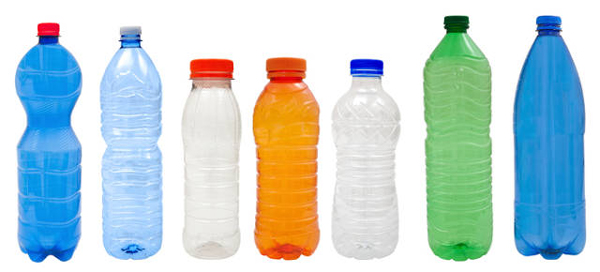
Plastic beverage packages can use different polymers, including PE, PP and PET. Each formulation and package design has its own food-contact authorization and intended conditions of use. Select the bottle, cap and liner for the juice, filling temperature, treatment process and distribution conditions.
PE is used in certain bottles and flexible packaging structures because it can be formed and heat sealed in suitable grades. Its barrier and temperature performance depend on the exact resin and construction.
PVC has been used in some beverage bottles, but suitability for a new juice project must be assessed against current market rules, food-contact approvals and the intended process. Its mention here is a material category, not a recommendation for all juice applications.
PP may be selected for packages that need particular stiffness or temperature performance, subject to the specific grade and package validation.
PET Bottles for Fruit Juice
PET bottles offer clarity and low package weight. A PET bottle intended for hot filling needs a suitable heat-set design, whereas other PET formats may be paired with different filling processes. Oxygen and carbon-dioxide barrier needs should be checked against the juice formulation and target shelf life.
AGICO supplies a PET bottle filling machine for suitable beverage projects. Confirm the bottle specification, cap, filling conditions and output target before selecting equipment.
How to Select Fruit Juice Packaging Materials
Compare package formats against the product's acidity, pulp content, oxygen sensitivity, filling method, storage temperature, shelf-life target, transport conditions and local food-contact rules. Consumer convenience and appearance matter, but neither packaging material nor visual design alone can guarantee product quality or sales.
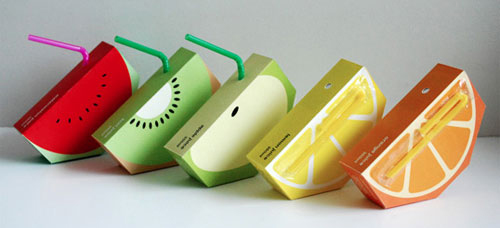
For bulk transport before final packing, an aseptic bag for juice and fruit puree may be considered when the filling system and spout are compatible. Discuss the final retail package and process flow with our fruit juice production line team.
Food-contact suitability must be checked for each material and its intended temperature and food type. See the FDA's food-contact conditions of use as a reference; applicable requirements depend on the destination market.
- Fruit Juice Production Line
- Citrus Juice Processing Line
- Mango juice production line
- Apple Juice Processing Line
- Pineapple Juice Processing Line
- Pomegranate juice processing line
- Lychee juice processing plant
- Grape Juice Processing Line
- Full Automatic Milk Processing Plant
- Plant Protein Beverage Production Line
- Coconut Water Processing Line
- Industrial Coconut Milk Processing Line and Extraction Equipment
- Fruit Crusher Machine
- Tubular Fruit Preheater
- Steam Jacketed Kettle
- Fruit Belt Press Filter
- Spiral Juice Extractor
- Fruit Peeling and Squeezing Machine
- Citrus Fruits Peel Essential Oil Extractor
- Double Screw Extractor for Grape
- Fruit Pulping Machine
- Mango Peeling and Destoning Machine
- Grape Destemmer Crusher
- Automatic Coconut Cutting Machine
- Tender Coconut Half Cutting Machine
- grape wine squeezing machine
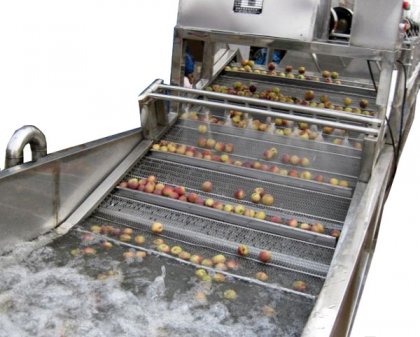

Compare four industrial fruit washing machine types and AGICO bubble washer models. Select by capacity, cleaning action, materials and fruit handling....
Follow six industrial mango juice processing steps, from sorting and pulping to blending, heat treatment, filling and cooling. See equipment choices and figures to confirm....
Compare gravity, pressure, vacuum, flow-meter and weighing juice filling machines. Learn how beverage type, bottle, capacity and cleaning needs guide selection....