
Orange juice is made by extracting liquid from suitable oranges. Concentrated orange juice is a separate product: some water is removed from extracted juice, and the concentrate may later be diluted to make a reconstituted drink. The process below outlines fruit selection, extraction and the additional steps that depend on the intended product.
Selecting appropriate oranges and cleaning them

Sort fruit to remove spoiled or damaged oranges and select the size and variety suited to the extractor. Wash the fruit using the plant's validated cleaning procedure and suitable equipment, such as a fruit washing machine. Washing reduces surface dirt but does not by itself make untreated juice safe for storage.

Extracting
After sorting and washing, oranges may be sized to suit the extraction equipment. Industrial citrus extractors and household juicers differ in feed method and separation design. A spiral juice extractor can be considered for prepared material when a trial confirms suitable feed size, peel handling, juice quality and recovery; it is not automatically the best extractor for every orange product. Screening or finishing can then remove selected seeds, peel fragments and excess pulp.

Treatment and filling
For juice made at home, use clean utensils and follow current food-safety advice for fresh juice. For a commercial product, extraction is followed by a product-specific safety treatment and hygienic filling and packaging plan. The required treatment, package and storage conditions depend on the intended shelf life and applicable rules. Chilling or concentrating juice alone should not be presented as a universal substitute for a validated pathogen-control step. See the FDA juice HACCP guidance for examples of orange-juice processes.
Conclusion
A practical line may include fruit selection, washing, extraction, finishing, appropriate treatment and filling. Concentration is an optional additional stage for a concentrate product. Confirm the orange variety, target juice or concentrate, throughput, package and market requirements before choosing equipment.
- Fruit Juice Production Line
- Citrus Juice Processing Line
- Mango juice production line
- Apple Juice Processing Line
- Pineapple Juice Processing Line
- Pomegranate juice processing line
- Lychee juice processing plant
- Grape Juice Processing Line
- Full Automatic Milk Processing Plant
- Plant Protein Beverage Production Line
- Coconut Water Processing Line
- Industrial Coconut Milk Processing Line and Extraction Equipment
- Fruit Crusher Machine
- Tubular Fruit Preheater
- Steam Jacketed Kettle
- Fruit Belt Press Filter
- Spiral Juice Extractor
- Fruit Peeling and Squeezing Machine
- Citrus Fruits Peel Essential Oil Extractor
- Double Screw Extractor for Grape
- Fruit Pulping Machine
- Mango Peeling and Destoning Machine
- Grape Destemmer Crusher
- Automatic Coconut Cutting Machine
- Tender Coconut Half Cutting Machine
- grape wine squeezing machine
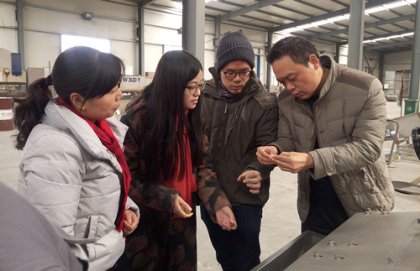
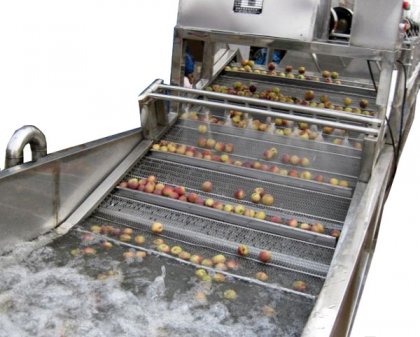

Compare four industrial fruit washing machine types and AGICO bubble washer models. Select by capacity, cleaning action, materials and fruit handling....
Follow six industrial mango juice processing steps, from sorting and pulping to blending, heat treatment, filling and cooling. See equipment choices and figures to confirm....
Compare gravity, pressure, vacuum, flow-meter and weighing juice filling machines. Learn how beverage type, bottle, capacity and cleaning needs guide selection....