
Basic knowledge of pineapple
Pineapple, also called Ananas comosus, is one of the tropical fruits. It is the most significant and economically plant in the Bromeliaceae family. And nowadays, pineapple is easy to be found in any grocery store, supermarket or fruit store. People like to eat pineapple because of its sweet taste. All over the world, there are more than 70 varieties of pineapple. Pineapples can be consumed fresh, cooked, juiced, or preserved. They are found in a wide array of cuisines.Pineapple is native to South America, Brazil, Paraguayan and the Amazon. In the sixteenth century pineapple was introduced into China from Brazil and is popular in South of China, as Guangdong, Guangxi, Fujian and Taiwan etc. Now, pineapples are cultivated almost all the tropical and subtropical zones.
Pineapple is multiple types of fruit which develops form many small fruitlets fused together around central core. Each year, there are three times fruiting periods, but the best taste is pineapple which is ripe between June and August. Generally, pineapple is a short, stout stem with a needle-tipped rosette of waxy long leaves. And the skin of outside is rough, tough and scaly rind. When eating pineapple, the outer skin must be cut down. And each pineapple measures up to 12 inches in length and weighs 1 to 8 pounds or more.

Nutrition facts of pineapple
Fresh pineapple contains water, carbohydrate, vitamin C and small amounts of other nutrients. Nutrient amounts vary with serving size and fruit. The per-100-g figures below are approximate and should be checked against a current food-composition database for dietary use.| Ingredients | Water | Protein | Fat | Potassium | Ca | Zn | Na | P | Iron |
|---|---|---|---|---|---|---|---|---|---|
| Content(per100 grams pineapple) | 87.1gram | 0.5gram | 0.1gram | 126millgram | 20millgram | 0.08millgram | 1.2millgram | 6millgram | 0.2millgram |


Nutrition and bromelain
Pineapple can be part of a varied diet. Its vitamin C helps the body make collagen, and its potassium contributes to normal body functions. Bromelain is a group of protein-digesting enzymes found in pineapple. Research does not establish that eating pineapple prevents or treats asthma, arthritis, cancer, diabetes or high blood pressure.- Vitamin C: fresh fruit can contribute to daily intake; the amount varies by serving size and storage.
- Potassium: pineapple contains some potassium, but a serving is not a treatment for high blood pressure.
- Bromelain: studies of oral bromelain have not established the disease claims previously made on this page.

Conclusion
Pineapple can be eaten fresh after removing the rind, or used in juice and other foods; soaking it in salt water is not required. If you are planning commercial pineapple juice production, AGICO can discuss equipment for your fruit, capacity and packaging requirements.Product List
Complete Line
Food Processing Machine
Robot Palletizer
- Fruit Juice Production Line
- Citrus Juice Processing Line
- Mango juice production line
- Apple Juice Processing Line
- Pineapple Juice Processing Line
- Pomegranate juice processing line
- Lychee juice processing plant
- Grape Juice Processing Line
- Full Automatic Milk Processing Plant
- Plant Protein Beverage Production Line
- Coconut Water Processing Line
- Industrial Coconut Milk Processing Line and Extraction Equipment
- Fruit Crusher Machine
- Tubular Fruit Preheater
- Steam Jacketed Kettle
- Fruit Belt Press Filter
- Spiral Juice Extractor
- Fruit Peeling and Squeezing Machine
- Citrus Fruits Peel Essential Oil Extractor
- Double Screw Extractor for Grape
- Fruit Pulping Machine
- Mango Peeling and Destoning Machine
- Grape Destemmer Crusher
- Automatic Coconut Cutting Machine
- Tender Coconut Half Cutting Machine
- grape wine squeezing machine

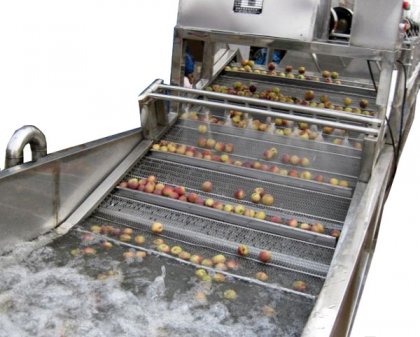

How to Choose the Best Industrial Fruit Washing Machine
Compare four industrial fruit washing machine types and AGICO bubble washer models. Select by capacity, cleaning action, materials and fruit handling....
Mango juice making process
Follow six industrial mango juice processing steps, from sorting and pulping to blending, heat treatment, filling and cooling. See equipment choices and figures to confirm....
Classification and Application Selection of Juice Filling Machines
Compare gravity, pressure, vacuum, flow-meter and weighing juice filling machines. Learn how beverage type, bottle, capacity and cleaning needs guide selection....