
The classification of the beverage
Beverages may be alcoholic or nonalcoholic. The examples below introduce common nonalcoholic beverage families; they are not an exhaustive regulatory classification. For products sold in China, check the current GB/T 10789-2015 General Standard for Beverage and any applicable product standards before using a category name on a label.-
Carbonated beverage. It refers to the beverage which is combined carbon dioxide and different kinds of spice, water, syrup and pigment under certain contains to form the bubble, such as cola, aerated water and etc.

-
Fruit and vegetable juice. Fruit and vegetable juice products use fruit, vegetables or their concentrates as ingredients. Depending on the product, processing may include washing, extraction, blending, clarification, heat treatment and filling. A 100% juice, a juice drink and a diluted beverage have different formulations and labeling requirements; there is no single minimum juice percentage that defines every product in this group.

-
Protein beverage. A kind of beverage which uses dairy products, some fruits, seeds, etc. which contains certain protein level as the raw materials, by processing to get the beverage, such as milk beverage, plant protein beverage and mixed protein containing drink.

-
Drinking water. Refers to the water which is sealed in the containers and can be drunk directly, like drinking natural mineral water, drinking natural spring water, purified water for drinking, etc.

-
Tea drinks. All kinds of green tea, black tea, scented tea, oolong, herbal tea and iced tea, etc. Some of them have the lemon.

-
Coffee beverage. Generally means processing the raw materials such as instant coffee powder into beverage. And simply speaking, the entire coffee contained beverage is coffee beverage.

-
Beverage for special purpose. By adjusting the ingredient and content of beverage, or adding some specific functional component to accommodate some special needs. Just as functional drink, sports beverage, energy beverage and etc.

Benefits of fruit and vegetable juice
Fruit and vegetable juices can contribute fluid and some vitamins and minerals to a varied diet. The amount depends on the ingredients, whether the drink is 100% juice or a juice beverage, and how it is processed and stored. Check the ingredient list and nutrition label for added sugars and the actual fruit or vegetable content.
- Convenient produce option. Juice can be one way to consume fruit or vegetables when whole produce is less convenient. It does not replace all the benefits of eating whole fruit and vegetables: most clear juices contain little or no dietary fiber.
- Quality depends on production. Ingredient selection, hygienic processing, suitable treatment and packaging affect flavor, nutrient retention and safety. Freshness, vitamin C retention and the absence of additives cannot be guaranteed for every juice.
- Choose the formulation that fits your diet. A juice drink may contain added sugar and more calories than expected. Compare serving size and the label instead of assuming that all juices support weight loss or relieve constipation.
- Avoid disease claims. Juice is not a proven detoxification method or a treatment or prevention for cancer, heart disease or Alzheimer's disease. For general nutrition, favor a varied diet that includes whole fruits and vegetables.
For the production side, our fruit juice complete line introduces equipment for preparing and processing juice. Process steps and product specifications should be selected for the intended formulation and applicable requirements.
- Fruit Juice Production Line
- Citrus Juice Processing Line
- Mango juice production line
- Apple Juice Processing Line
- Pineapple Juice Processing Line
- Pomegranate juice processing line
- Lychee juice processing plant
- Grape Juice Processing Line
- Full Automatic Milk Processing Plant
- Plant Protein Beverage Production Line
- Coconut Water Processing Line
- Industrial Coconut Milk Processing Line and Extraction Equipment
- Fruit Crusher Machine
- Tubular Fruit Preheater
- Steam Jacketed Kettle
- Fruit Belt Press Filter
- Spiral Juice Extractor
- Fruit Peeling and Squeezing Machine
- Citrus Fruits Peel Essential Oil Extractor
- Double Screw Extractor for Grape
- Fruit Pulping Machine
- Mango Peeling and Destoning Machine
- Grape Destemmer Crusher
- Automatic Coconut Cutting Machine
- Tender Coconut Half Cutting Machine
- grape wine squeezing machine
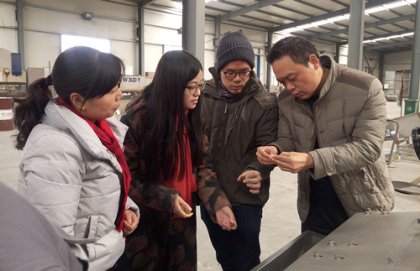
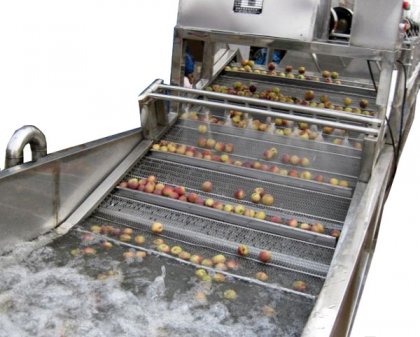

Compare four industrial fruit washing machine types and AGICO bubble washer models. Select by capacity, cleaning action, materials and fruit handling....
Follow six industrial mango juice processing steps, from sorting and pulping to blending, heat treatment, filling and cooling. See equipment choices and figures to confirm....
Compare gravity, pressure, vacuum, flow-meter and weighing juice filling machines. Learn how beverage type, bottle, capacity and cleaning needs guide selection....