
An automatic bottle filling machine moves containers through a controlled sequence: bottle infeed and positioning, product dispensing, and bottle discharge to downstream equipment. The filling method depends on the product, container, and machine design; gravity, pressure, flow-meter, or other metering systems may be used. On some rotary PET bottle fillers, a transfer wheel positions each bottle under a filling valve, and the filled bottle then leaves through the discharge conveyor. Sensors and controls coordinate these steps and stop the line when a defined fault occurs. The exact sequence and protective devices should be checked against the installed machine's manual.

How to solve the faults of full automatic filling machine?
Start with the displayed alarm, the machine manual, and a visual check from outside the guarded area. Stop the line if a bottle is jammed or a guard is open. Before clearing a jam or servicing electrical or pneumatic components, authorized personnel should isolate and verify all relevant hazardous energy according to the site's procedure. Do not bypass guards or interlocks to keep the line running.
PLC fault
A motor or valve that does not respond as expected can have several causes, including a sensor, wiring, output device, contactor, or PLC fault. Record the alarm and I/O status and have a qualified controls technician compare them with the electrical drawings and the manufacturer's diagnostic procedure. Do not strike the PLC or change output wiring or program assignments as a quick fix. Any repair or program change should be tested with the machine's safety functions intact before production resumes.

Proximity switch fault
Depending on the filler, proximity or photoelectric sensors may confirm bottle presence, transfer position, or component position. A missing or intermittent signal can stop the cycle. Check the alarm and inspect for a displaced bottle, contamination, damaged sensor, or loose connection using the machine's documented procedure. A defective sensor or safety interlock must be repaired and verified by qualified personnel; never connect another switch in parallel to defeat a protective function.
Malfunction of magnetic switch
Where pneumatic cylinders are fitted, a magnetic switch may report a cylinder's end position. If the next step does not start, the cause may be a missing position signal, restricted motion, air-supply problem, or valve fault. Qualified maintenance personnel should check the indicated position and the relevant sensor and cylinder against the machine manual after applying the required energy-isolation procedure.
Malfunction of solenoid valve
A pneumatic actuator that fails to move or return does not, by itself, prove that its solenoid valve has failed. Check the recorded fault and the specified air pressure, electrical command, tubing, and actuator condition through the manufacturer's diagnostic steps. Isolate electrical and pneumatic energy and relieve stored pressure before service. A trained technician can then repair or replace a confirmed faulty component using the approved parts and test the line before restart.
- Fruit Juice Production Line
- Citrus Juice Processing Line
- Mango juice production line
- Apple Juice Processing Line
- Pineapple Juice Processing Line
- Pomegranate juice processing line
- Lychee juice processing plant
- Grape Juice Processing Line
- Full Automatic Milk Processing Plant
- Plant Protein Beverage Production Line
- Coconut Water Processing Line
- Industrial Coconut Milk Processing Line and Extraction Equipment
- Fruit Crusher Machine
- Tubular Fruit Preheater
- Steam Jacketed Kettle
- Fruit Belt Press Filter
- Spiral Juice Extractor
- Fruit Peeling and Squeezing Machine
- Citrus Fruits Peel Essential Oil Extractor
- Double Screw Extractor for Grape
- Fruit Pulping Machine
- Mango Peeling and Destoning Machine
- Grape Destemmer Crusher
- Automatic Coconut Cutting Machine
- Tender Coconut Half Cutting Machine
- grape wine squeezing machine
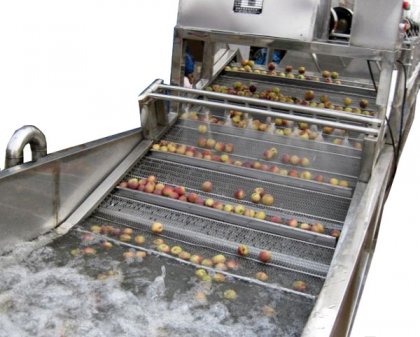

Compare four industrial fruit washing machine types and AGICO bubble washer models. Select by capacity, cleaning action, materials and fruit handling....
Follow six industrial mango juice processing steps, from sorting and pulping to blending, heat treatment, filling and cooling. See equipment choices and figures to confirm....
Compare gravity, pressure, vacuum, flow-meter and weighing juice filling machines. Learn how beverage type, bottle, capacity and cleaning needs guide selection....