
Non-alcoholic beverages include juice and fruit drinks, carbonated soft drinks, tea drinks, dairy beverages and energy drinks. These are five product categories discussed here, not a verified ranking of worldwide sales. Water, coffee, cocoa and many other beverages also belong to the wider non-alcoholic market.

Non-Alcoholic Beverage Categories and Processing Needs
For a beverage producer, the useful distinction is the product formulation and the processing and packaging it requires. The examples below highlight differences without treating every product in a category as identical.

Fruit Juice and Fruit Drinks
Fruit juice and fruit drinks are different product formulations. Juice can be extracted by pressing or fruit pulping; a fruit drink may include added water or other ingredients according to its label and local product rules. Clear and cloudy juice need different filtration or solids-handling choices. For citrus applications, see our citrus juice processing line.
Apple, grape, mango, orange and other fruits can be processed into different juice styles. The product specification, fruit quality, treatment and packaging determine the equipment sequence; the fruit name alone does not define one fixed process.

Carbonated Soft Drinks
Carbonated soft drinks contain dissolved carbon dioxide. Formulations differ: some contain sugar, sweeteners, flavorings or caffeine, while others do not. Their blending, carbonation, filling and closure requirements differ from still juice, and nutrition should be assessed from the actual product label rather than a category-wide claim.
Tea Drinks
Ready-to-drink tea can be based on brewed tea or tea extract and may be sold plain or with other ingredients. Green, black, oolong and flavored teas are examples. Processing and filling choices depend on acidity, formulation, packaging and desired storage conditions; health benefits should not be assumed from the tea category alone.

Milk and Dairy Beverages
Milk beverages can include plain milk, flavored milk and fermented dairy drinks. A fermented dairy drink is one type, not a synonym for every milk beverage. Formulation, heat treatment, cold-chain needs and applicable dairy rules should be reviewed separately for each product.
Energy Drinks
Energy drinks commonly contain caffeine or other stimulant ingredients. They are distinct from sports drinks, which are formulated around fluid and electrolyte replacement. Do not use an energy-drink label to imply hydration or medical benefits. Ingredient levels and warnings should follow the destination market's rules. The CDC explains the distinction between energy and sports drinks.

- Fruit Juice Production Line
- Citrus Juice Processing Line
- Mango juice production line
- Apple Juice Processing Line
- Pineapple Juice Processing Line
- Pomegranate juice processing line
- Lychee juice processing plant
- Grape Juice Processing Line
- Full Automatic Milk Processing Plant
- Plant Protein Beverage Production Line
- Coconut Water Processing Line
- Industrial Coconut Milk Processing Line and Extraction Equipment
- Fruit Crusher Machine
- Tubular Fruit Preheater
- Steam Jacketed Kettle
- Fruit Belt Press Filter
- Spiral Juice Extractor
- Fruit Peeling and Squeezing Machine
- Citrus Fruits Peel Essential Oil Extractor
- Double Screw Extractor for Grape
- Fruit Pulping Machine
- Mango Peeling and Destoning Machine
- Grape Destemmer Crusher
- Automatic Coconut Cutting Machine
- Tender Coconut Half Cutting Machine
- grape wine squeezing machine

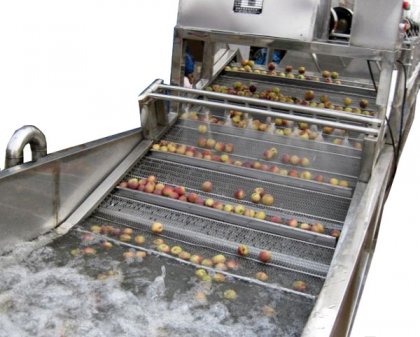

Compare four industrial fruit washing machine types and AGICO bubble washer models. Select by capacity, cleaning action, materials and fruit handling....
Follow six industrial mango juice processing steps, from sorting and pulping to blending, heat treatment, filling and cooling. See equipment choices and figures to confirm....
Compare gravity, pressure, vacuum, flow-meter and weighing juice filling machines. Learn how beverage type, bottle, capacity and cleaning needs guide selection....