
Milk Pasteurizer Machine in Dairy Processing
A milk pasteurizer machine heats milk under a controlled time-and-temperature process to reduce harmful microorganisms. Pasteurization is an important food-safety step, but it is not the same as sterilization and does not replace hygienic handling, suitable packaging or the required storage conditions. The selected process depends on the milk product and local requirements.

Milk Pasteurization Time and Temperature
Two established examples for fluid milk in the U.S. FDA Grade “A” Pasteurized Milk Ordinance are 63°C for 30 minutes in batch pasteurization and 72°C for 15 seconds in a continuous high-temperature, short-time system. These are examples from a U.S. standard, not a universal setting for every dairy formulation. Product composition and the applicable standard may require a different validated schedule.

Handling and Storage of Pasteurized Milk
A typical dairy process includes raw-milk receiving and testing, filtration or clarification where needed, standardization, pasteurization, cooling and hygienic filling. Fermented products add their own culture and fermentation stages; pasteurization itself is not fermentation. The actual equipment sequence depends on the product and plant layout.
Raw milk can carry harmful microorganisms. The U.S. CDC explains raw-milk risks and recommends choosing pasteurized milk and dairy products. Pasteurization reduces the risk but does not make a product immune to contamination after processing. Follow the finished product’s validated cold-chain and label instructions.

Pasteurized milk may be sold in bottles, cartons or bags, depending on the market. Pack format alone does not establish shelf life or prove which heat process was used. Refrigerated pasteurized milk should be kept at the temperature specified for the product; shelf-stable milk uses a different validated process and package. Pack formats and usage vary by region.
Temperature control during transport and retail display is part of the product’s safety and quality plan. A common food-safety reference is refrigeration at 4°C (40°F) or below, but the product’s own instructions and local rules govern. Refrigeration slows microbial growth; it does not stop all spoilage or guarantee unchanged flavour for a fixed number of days.

Selecting a Milk Pasteurization Machine
For a dairy project, confirm the required hourly throughput, product formulation, treatment standard, holding and cooling design, cleaning method, utilities and package type before specifying a milk pasteurizer. State the required plant throughput in a suitable unit, such as litres per hour, and verify it against a documented model. AGICO can review a suitable pasteurization configuration within a milk processing plant after the product and capacity are defined.
- Fruit Juice Production Line
- Citrus Juice Processing Line
- Mango juice production line
- Apple Juice Processing Line
- Pineapple Juice Processing Line
- Pomegranate juice processing line
- Lychee juice processing plant
- Grape Juice Processing Line
- Full Automatic Milk Processing Plant
- Plant Protein Beverage Production Line
- Coconut Water Processing Line
- Industrial Coconut Milk Processing Line and Extraction Equipment
- Fruit Crusher Machine
- Tubular Fruit Preheater
- Steam Jacketed Kettle
- Fruit Belt Press Filter
- Spiral Juice Extractor
- Fruit Peeling and Squeezing Machine
- Citrus Fruits Peel Essential Oil Extractor
- Double Screw Extractor for Grape
- Fruit Pulping Machine
- Mango Peeling and Destoning Machine
- Grape Destemmer Crusher
- Automatic Coconut Cutting Machine
- Tender Coconut Half Cutting Machine
- grape wine squeezing machine
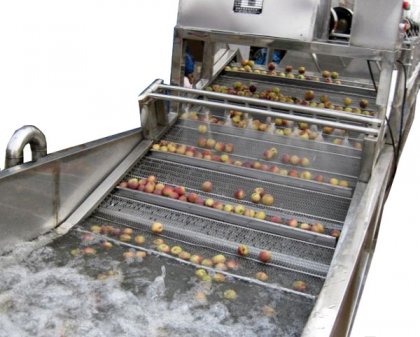

Compare four industrial fruit washing machine types and AGICO bubble washer models. Select by capacity, cleaning action, materials and fruit handling....
Follow six industrial mango juice processing steps, from sorting and pulping to blending, heat treatment, filling and cooling. See equipment choices and figures to confirm....
Compare gravity, pressure, vacuum, flow-meter and weighing juice filling machines. Learn how beverage type, bottle, capacity and cleaning needs guide selection....