
A fruit juice plant may combine sorting, washing, extraction, pulp handling, heat treatment and filling equipment. The machine sequence depends on the fruit, desired clear or cloudy juice, target capacity and final package. This guide explains what common fruit juice manufacturing equipment does; our fruit juice production line page covers complete-line configurations.

Fruit Juice Manufacturing Equipment and Functions
Fruit elevator: conveys fruit between stages. Its belt or bucket design, conveying angle and fruit-handling method should match the incoming material.
Fruit washer: removes surface soil using a selected washing method, such as bubble washing or brush-and-spray cleaning. Washing reduces contamination risk but does not guarantee sterile fruit; sorting and sanitation remain necessary.
Fruit crusher: breaks selected fruit to prepare it for pressing or pulping. Crusher choice depends on fruit size, seed handling and desired particle size.
Preheater: can soften fruit material or support a specified enzyme-control step. Temperature and residence time must be set for the product; preheating does not automatically inactivate every enzyme.
Fruit pulping machine: separates or refines pulp for products such as mango, peach, berry or tomato puree. Screen size and upstream peel or pit removal depend on the fruit and end product.

Juice extractor or press: separates liquid from prepared fruit material. Spiral, belt and other extraction methods suit different fruits and feed conditions; juice yield requires testing with representative fruit.
Vacuum concentrator: removes water when a concentrate is required. Evaporator design depends on viscosity, product sensitivity and the target soluble-solids level.
Tube-in-tube sterilizer: provides controlled heat exchange for compatible products. Viscosity, particle size and validated time-temperature requirements determine whether this or another heat-treatment system is suitable.
Aseptic filling machine: fills a properly treated product into a compatible sterilized package under a controlled hygienic process. Package, spout and filler fit must be checked together.
How Machines Fit a Fruit Juice Processing Line
Process sequence: a project may include fruit inspection, cleaning, extraction, clarification or pulp handling, optional concentration, heat treatment and filling. Clear juice, cloudy juice, concentrate and puree do not all require the same stages.
Line balance: the rated capacity of one machine does not establish the throughput of the complete plant. Confirm bottlenecks, working hours, utilities, cleaning time and finished-product output when selecting equipment.
Equipment integration: individual machines can be supplied for an existing plant when connections and controls are compatible. A new plant needs a coordinated layout, product-contact material specification and sanitation plan.

Fruit Juice Equipment Selection Considerations
Capacity and Quality Targets
Define incoming-fruit rate, expected yield, juice specification and package format before setting machine capacities. Higher speed is useful only when upstream feeding, downstream treatment and quality controls can keep pace.
Multi-Product Use
Some pretreatment or filling equipment can handle more than one fruit or beverage after a configuration change. Confirm each product's viscosity, acidity, particle content, sanitation and packaging requirements rather than assuming one setting works for juice, tea, coffee and milk.
Automation and Maintenance
PLC control may support monitoring and repeatable operation, but the functions depend on the quoted model. Review cleanability, access for maintenance, utility demand, operator training and spare parts alongside the purchase specification.
- Fruit Juice Production Line
- Citrus Juice Processing Line
- Mango juice production line
- Apple Juice Processing Line
- Pineapple Juice Processing Line
- Pomegranate juice processing line
- Lychee juice processing plant
- Grape Juice Processing Line
- Full Automatic Milk Processing Plant
- Plant Protein Beverage Production Line
- Coconut Water Processing Line
- Industrial Coconut Milk Processing Line and Extraction Equipment
- Fruit Crusher Machine
- Tubular Fruit Preheater
- Steam Jacketed Kettle
- Fruit Belt Press Filter
- Spiral Juice Extractor
- Fruit Peeling and Squeezing Machine
- Citrus Fruits Peel Essential Oil Extractor
- Double Screw Extractor for Grape
- Fruit Pulping Machine
- Mango Peeling and Destoning Machine
- Grape Destemmer Crusher
- Automatic Coconut Cutting Machine
- Tender Coconut Half Cutting Machine
- grape wine squeezing machine
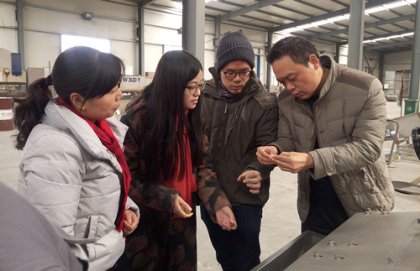
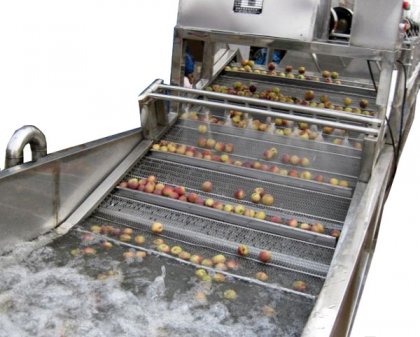

Compare four industrial fruit washing machine types and AGICO bubble washer models. Select by capacity, cleaning action, materials and fruit handling....
Follow six industrial mango juice processing steps, from sorting and pulping to blending, heat treatment, filling and cooling. See equipment choices and figures to confirm....
Compare gravity, pressure, vacuum, flow-meter and weighing juice filling machines. Learn how beverage type, bottle, capacity and cleaning needs guide selection....