
What if the juice filling machine does not dispense?

A no-fill or no-discharge condition can have different causes on different juice filling machinery. Use the model manual, the displayed fault code and the site's approved procedure. Stop production if there is a leak, unexpected motion or product-safety concern. Keep guards and interlocks in place. Before opening a valve, clearing a blockage, reaching into the machine or servicing electrical or pneumatic parts, trained personnel must isolate and control all hazardous energy, release stored pressure as required and verify the safe state. See OSHA's hazardous-energy guidance.
- Record the symptom and alarm. Note whether every filling head or only one is affected, when the fault began and what the operator interface reports. Do not bypass an interlock to keep the line running.
- Check available product and utility indications. From outside guarded areas, compare tank level, product supply, air pressure and other displayed values with the approved operating range for this model. A low or unstable supply may prevent filling.
- Confirm the selected recipe and operating state. Check that the intended product, package, fill program and start conditions are selected. Only authorized staff should change settings, and changes should be recorded.
- Check whether flow is blocked. A closed valve, clogged line or trapped air may affect delivery. Inspect or clear product paths only under the machine's isolation and sanitation procedures; do not loosen pressurized fittings.
- Inspect nozzles and seals safely. After isolation, qualified maintenance staff can check for blockage, wear, leaks or damaged seals using the manufacturer's instructions and approved replacement parts.
- Assess pneumatic and mechanical movement. If a valve or actuator fails to move, have qualified personnel check the model-specific air circuit, controls and components. Do not use a generic throttle or spring adjustment as a universal remedy.
- Check sensors and connections. Loose or failed sensors, switches or wiring may prevent a fill command. Electrical diagnosis and repair belong to qualified staff after the required energy controls are applied.
- Verify before returning to production. Reassemble and guard the machine, restore energy under the approved procedure, run a controlled trial and confirm fill volume, leakage and product hygiene. If the fault remains, contact the equipment supplier with the model, alarm and observations.
- Fruit Juice Production Line
- Citrus Juice Processing Line
- Mango juice production line
- Apple Juice Processing Line
- Pineapple Juice Processing Line
- Pomegranate juice processing line
- Lychee juice processing plant
- Grape Juice Processing Line
- Full Automatic Milk Processing Plant
- Plant Protein Beverage Production Line
- Coconut Water Processing Line
- Industrial Coconut Milk Processing Line and Extraction Equipment
- Fruit Crusher Machine
- Tubular Fruit Preheater
- Steam Jacketed Kettle
- Fruit Belt Press Filter
- Spiral Juice Extractor
- Fruit Peeling and Squeezing Machine
- Citrus Fruits Peel Essential Oil Extractor
- Double Screw Extractor for Grape
- Fruit Pulping Machine
- Mango Peeling and Destoning Machine
- Grape Destemmer Crusher
- Automatic Coconut Cutting Machine
- Tender Coconut Half Cutting Machine
- grape wine squeezing machine
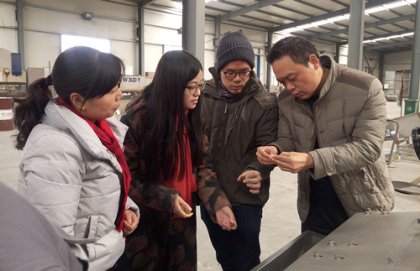
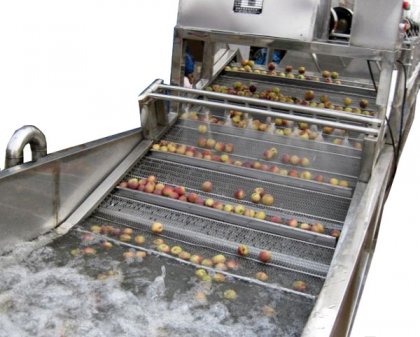

Compare four industrial fruit washing machine types and AGICO bubble washer models. Select by capacity, cleaning action, materials and fruit handling....
Follow six industrial mango juice processing steps, from sorting and pulping to blending, heat treatment, filling and cooling. See equipment choices and figures to confirm....
Compare gravity, pressure, vacuum, flow-meter and weighing juice filling machines. Learn how beverage type, bottle, capacity and cleaning needs guide selection....