
Plant protein beverages can be made from ingredients such as soybeans, peanuts, almonds, walnuts or coconut. The equipment and process depend on the chosen raw material, formulation, package and target shelf life. See the plant protein beverage line for an equipment overview.
Nutritive value of plant protein beverage
The protein, fat, sugar, vitamin and mineral content of plant-based drinks varies widely. A soybean drink, nut drink and coconut drink should not be assumed to provide the same nutrients. Processing, dilution and fortification also affect the finished product. Compare the actual nutrition label and ingredient list rather than treating all plant-based drinks as higher in protein or vitamins than other beverages.
Statements that walnut drinks improve brain function, almond drinks treat the lungs or coconut drinks suit every age group are not supported by a product-specific nutrient analysis. Added sugars and allergens also matter. The FDA guide to plant-based milk alternatives explains the nutrient differences and the need to check labels.

Plant protein and animal protein
Both plant and animal foods can contribute dietary protein, but the nutrition of a finished beverage depends on its recipe and serving size. A plant-based label alone does not establish superior protein quality or show that the drink prevents obesity, high cholesterol, heart disease or cancer. Product claims should be based on the measured composition of the finished drink and applicable labeling rules. Soy and peanut ingredients also require attention to allergen handling and labeling.
Production principle of plant protein
A typical process may include raw-material inspection, cleaning, soaking or other preparation, grinding or extraction, filtration, formulation, homogenization, validated heat treatment and hygienic filling. The order and settings differ by ingredient and desired texture. Protein stability, sedimentation, flavor and packaging should be tested on the actual formula; one stabilizer or temperature is not suitable for every plant beverage. The FAO discussion of soy beverage processing illustrates how grinding, treatment, homogenization and packaging choices can vary.

Development prospect of plant protein
Soy, peanut, nut and coconut beverages offer different product options, but their market potential should be assessed with current local demand, ingredient supply, target price and distribution data. Define the intended consumer, nutrition profile, allergen controls and shelf life before choosing capacity and equipment. Contact us with the raw material, formula, package and target output to discuss a suitable production line.
Product List
Complete Line
Food Processing Machine
Robot Palletizer
- Fruit Juice Production Line
- Citrus Juice Processing Line
- Mango juice production line
- Apple Juice Processing Line
- Pineapple Juice Processing Line
- Pomegranate juice processing line
- Lychee juice processing plant
- Grape Juice Processing Line
- Full Automatic Milk Processing Plant
- Plant Protein Beverage Production Line
- Coconut Water Processing Line
- Industrial Coconut Milk Processing Line and Extraction Equipment
- Fruit Crusher Machine
- Tubular Fruit Preheater
- Steam Jacketed Kettle
- Fruit Belt Press Filter
- Spiral Juice Extractor
- Fruit Peeling and Squeezing Machine
- Citrus Fruits Peel Essential Oil Extractor
- Double Screw Extractor for Grape
- Fruit Pulping Machine
- Mango Peeling and Destoning Machine
- Grape Destemmer Crusher
- Automatic Coconut Cutting Machine
- Tender Coconut Half Cutting Machine
- grape wine squeezing machine
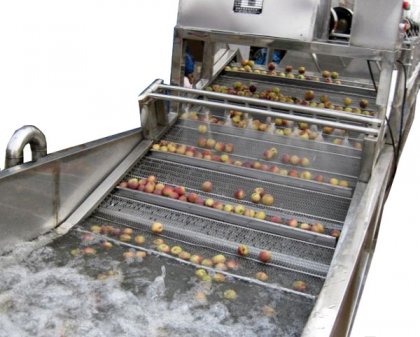

How to Choose the Best Industrial Fruit Washing Machine
Compare four industrial fruit washing machine types and AGICO bubble washer models. Select by capacity, cleaning action, materials and fruit handling....
Mango juice making process
Follow six industrial mango juice processing steps, from sorting and pulping to blending, heat treatment, filling and cooling. See equipment choices and figures to confirm....
Classification and Application Selection of Juice Filling Machines
Compare gravity, pressure, vacuum, flow-meter and weighing juice filling machines. Learn how beverage type, bottle, capacity and cleaning needs guide selection....