
A fruit pulping machine uses a rotor and screen to separate usable pulp from peel, seeds and larger solids. It can support processing of suitable stone fruits such as mango and peach, berries such as grape and strawberry, and prepared pome fruits such as apple and pear. The required rotor, screen and upstream preparation depend on the fruit and target product. See the AGICO fruit pulping machine for the current product configuration.
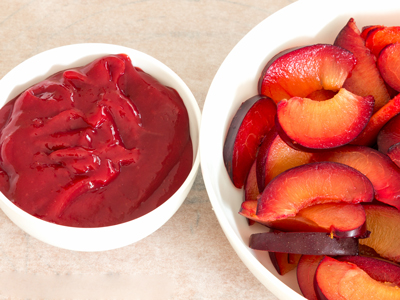
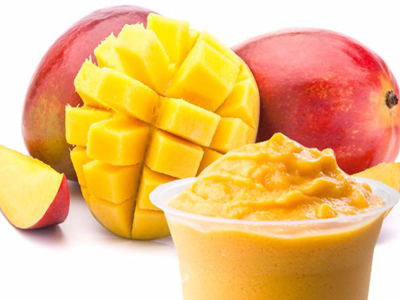
Fruit Pulping Machine Features and Main Parts
- The rotor moves prepared fruit against a screen, allowing pulp to pass through while larger solids leave through a separate outlet.
- Depending on the selected configuration, the machine can operate independently or connect to a juice production line.
- Product-contact components are described as stainless steel; confirm the supplied grades and parts in the final specification.
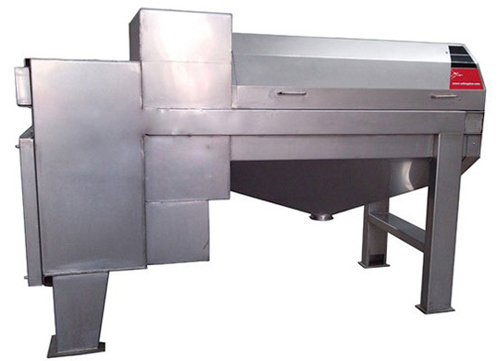
Main Structure of a Fruit Pulping Machine
The machine includes a drive, feed arrangement, rotor or beater, screen, separation chamber, discharge outlets and frame. Some configurations also include parts for pitting or peeling. The screen opening and rotor arrangement are selected to match fruit texture, desired pulp fineness and separation performance.
The original machine description distinguishes single-stage and two-stage arrangements. A single-stage setup can use a suitable rotor for a selected fruit, while a two-stage setup can assign different separation tasks to successive rotors. Actual pitting, pulping and throughput depend on the ordered configuration and fruit trials; the same result should not be assumed for every fruit.
How the Fruit Pulping Machine Works
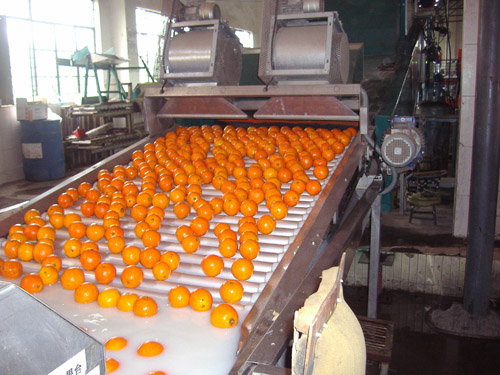
Stone Fruit and Prepared Pome Fruit Processing
After sorting and any required peeling, pitting, crushing or softening, fruit enters the feed hopper. The motor drives the rotor, which moves the fruit against the screen. Suitable pulp passes through screen openings to the collection outlet; pits, peel and other larger residues leave through a separate discharge. For mango or peach, select a configuration that controls pit breakage. Apples and pears may need upstream preparation before pulping. Check the product page and test fruit samples to confirm the process sequence.
Berry Pulping and Seed Separation
For suitable berries, the rotor or scraper spreads fruit along the screen inside the separation chamber. Pulp and juice pass through the openings while larger skins and seeds move toward the residue outlet. Screen selection and operating settings affect pulp texture, yield and seed carryover. A production trial is needed for different berry varieties and target beverage specifications.
- Fruit Juice Production Line
- Citrus Juice Processing Line
- Mango juice production line
- Apple Juice Processing Line
- Pineapple Juice Processing Line
- Pomegranate juice processing line
- Lychee juice processing plant
- Grape Juice Processing Line
- Full Automatic Milk Processing Plant
- Plant Protein Beverage Production Line
- Coconut Water Processing Line
- Industrial Coconut Milk Processing Line and Extraction Equipment
- Fruit Crusher Machine
- Tubular Fruit Preheater
- Steam Jacketed Kettle
- Fruit Belt Press Filter
- Spiral Juice Extractor
- Fruit Peeling and Squeezing Machine
- Citrus Fruits Peel Essential Oil Extractor
- Double Screw Extractor for Grape
- Fruit Pulping Machine
- Mango Peeling and Destoning Machine
- Grape Destemmer Crusher
- Automatic Coconut Cutting Machine
- Tender Coconut Half Cutting Machine
- grape wine squeezing machine
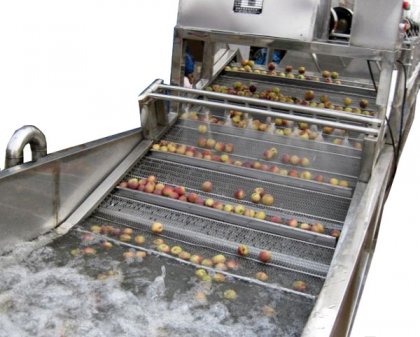

Compare four industrial fruit washing machine types and AGICO bubble washer models. Select by capacity, cleaning action, materials and fruit handling....
Follow six industrial mango juice processing steps, from sorting and pulping to blending, heat treatment, filling and cooling. See equipment choices and figures to confirm....
Compare gravity, pressure, vacuum, flow-meter and weighing juice filling machines. Learn how beverage type, bottle, capacity and cleaning needs guide selection....