
Juice and whole fruit can both contribute to a diet, but their fiber, nutrient content and food-safety considerations differ. These ten points help readers compare products and understand fruit juice extraction.

Juice and whole fruit have different nutrition
Whole fruit generally provides more fiber than clear juice. The amount of vitamins, minerals and plant compounds in juice varies by fruit, extraction method, pulp content, processing and storage. The juice extraction process does not remove every nutrient, and it does not guarantee that a juice matches the fruit it came from.
Juice can be convenient, but whole fruit remains an important source of fiber. Compare products using their nutrition labels rather than assuming that every juice is equally nutritious.

Does a nutritious fruit always make a more nutritious juice?
Not necessarily. Citrus juice can contribute vitamin C, but the amount in any packaged juice depends on its ingredients, formulation and handling. Some products are fortified; others are not. The label is the most useful way to compare a specific product.
Packaging and storage affect quality
Oxygen, light, heat and storage time can change some flavor and nutrient compounds. Package material, fill conditions and storage instructions matter more than container size alone.
Can a product really be 100% juice?
Yes. A 100% juice can be sold as not-from-concentrate juice or made by restoring water to juice concentrate in accordance with the applicable labeling rules. A product made from concentrate is not automatically a juice drink. Check the declared juice percentage and ingredient list; see the FDA Food Labeling Guide for an example of how juice percentage is calculated in the United States.

Juice drinks vary in fruit content
A juice drink may contain water, fruit juice and other ingredients, but there is no single 10% rule that defines every juice beverage in every market. The actual juice percentage and added sugars should be checked on the product label under the rules where it is sold.
Follow the opened-product storage instructions
Refrigerate juice when the label requires it and follow its instructions after opening. Shelf life varies with treatment, formulation, package and handling. A fixed one-week rule is not safe for all juices, especially untreated fresh juice. Citrus juice processing and packaging choices should be evaluated for the intended product.

Take untreated juice seriously
Unpasteurized or otherwise untreated juice can carry harmful bacteria even when refrigerated. Children, older adults, pregnant people and those with weakened immune systems face higher risk, but healthy adults can also become ill. Check whether a product has been treated, and follow the FDA juice-safety advice or the applicable local guidance.
Clean fruit before home extraction
Rinse produce under running water before cutting or juicing, even if it will be peeled. Washing can reduce surface dirt and some microbes but cannot guarantee pathogen-free juice. The FDA does not recommend soap, detergent or commercial produce washes for home produce cleaning.

Mixed fruit juice is another option
Blending fruits can create different flavors and nutrient profiles. The nutritional result depends on the ingredients and proportions; a mixed juice is not automatically more balanced than a single-fruit juice. For home preparation, use clean equipment and handle the fresh juice safely.
Do not rely on juice alone
Juice can supply fluid and some nutrients, but it generally offers less fiber than whole fruit and can add substantial calories when consumed in large servings. Include a variety of whole fruits and vegetables in the diet and check serving sizes rather than treating juice as a full substitute.

- Fruit Juice Production Line
- Citrus Juice Processing Line
- Mango juice production line
- Apple Juice Processing Line
- Pineapple Juice Processing Line
- Pomegranate juice processing line
- Lychee juice processing plant
- Grape Juice Processing Line
- Full Automatic Milk Processing Plant
- Plant Protein Beverage Production Line
- Coconut Water Processing Line
- Industrial Coconut Milk Processing Line and Extraction Equipment
- Fruit Crusher Machine
- Tubular Fruit Preheater
- Steam Jacketed Kettle
- Fruit Belt Press Filter
- Spiral Juice Extractor
- Fruit Peeling and Squeezing Machine
- Citrus Fruits Peel Essential Oil Extractor
- Double Screw Extractor for Grape
- Fruit Pulping Machine
- Mango Peeling and Destoning Machine
- Grape Destemmer Crusher
- Automatic Coconut Cutting Machine
- Tender Coconut Half Cutting Machine
- grape wine squeezing machine

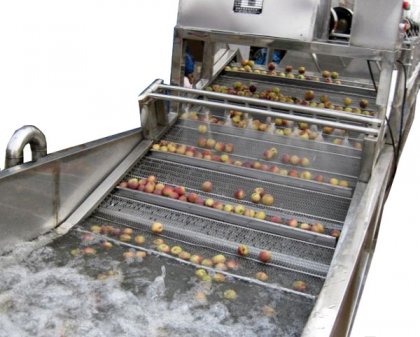

Compare four industrial fruit washing machine types and AGICO bubble washer models. Select by capacity, cleaning action, materials and fruit handling....
Follow six industrial mango juice processing steps, from sorting and pulping to blending, heat treatment, filling and cooling. See equipment choices and figures to confirm....
Compare gravity, pressure, vacuum, flow-meter and weighing juice filling machines. Learn how beverage type, bottle, capacity and cleaning needs guide selection....