
Different uses of fruit juice filling machine
A fruit juice filling machine must match the beverage, container, closure, required hygiene level and output. Bottle and bag fillers follow different handling and packaging steps. A juice line may include container preparation, filling, closing, inspection, labeling and case packing, but the exact modules depend on the installed configuration.
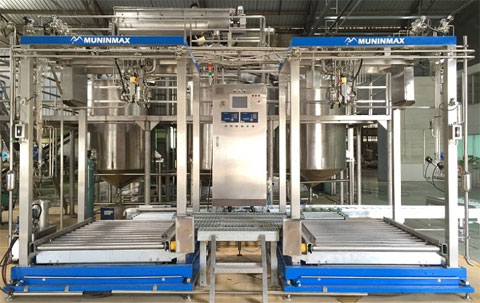
On a bottle line, empty containers are supplied and checked using equipment appropriate to the package. The beverage then enters the selected filler, followed by capping or sealing and any required inspection. Labeling, case packing and palletizing may be added downstream. Aseptic bag filling uses a different package-handling sequence and must be matched to the bag and product treatment.
AGICO produces a variety of filling machines, including vacuum filling machines, atmospheric-pressure filling machines and pressure filling machines. Selection should follow product trials and the actual packaging specification rather than the filler name alone.
Vacuum filling machine
Vacuum-assisted filling reduces pressure in the container or filling circuit as part of a specific machine design. Whether it suits a juice, wine, syrup or another liquid depends on viscosity, foaming, oxygen control, container strength and the manufacturer's operating range. It is not automatically the most efficient option for every product.
Atmospheric pressure filling machine
Gravity filling can be used for suitable free-flowing, non-carbonated liquids. The machine may control fill level or volume through its chosen valve and measurement system. Confirm fill accuracy, product behavior and container compatibility before selecting it.
Pressure filling machine
Pressure or counter-pressure systems are used in some applications where controlled pressure helps manage filling, especially carbonated beverages. The beverage, dissolved gas, container and closure determine the suitable process. A pressure filler is not required for all fruit juices.
Filling modes in the production of juice drinks
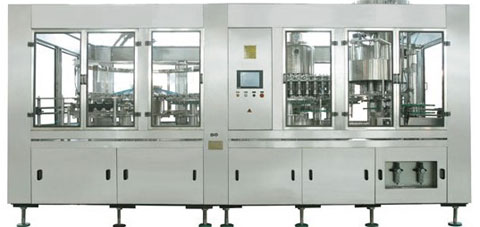
Hot filling and aseptic filling are two possible approaches for selected juices. They differ in product treatment, container and closure preparation, filling conditions and shelf-life design. Other options may also be appropriate. The line must be validated for the actual drink and package.
Aseptic cold filling
In an aseptic process, the product and packaging system receive appropriate validated treatments, and the filler maintains the required hygienic conditions during filling and closure. The treated juice may be cooled before filling. Hydrogen peroxide is one possible packaging sterilant, but it is not used on every bottle, carton or cap system; any use and residual limits must meet the applicable process and market requirements. Flavor, nutrient retention, PET use and equipment cost depend on the specific line, so a universal investment multiple is not reliable.
Hot filling
In hot filling, treated product is filled while hot into a compatible container and closed under a defined process. Product temperature, hold time, closure treatment and cooling are set for the beverage and package and must be validated. A single 90 °C fill temperature does not guarantee safety for every juice, and the effects on flavor and nutrients vary. Compare hot-fill and aseptic options using product trials, packaging limits, required shelf life and whole-line costs.
- Fruit Juice Production Line
- Citrus Juice Processing Line
- Mango juice production line
- Apple Juice Processing Line
- Pineapple Juice Processing Line
- Pomegranate juice processing line
- Lychee juice processing plant
- Grape Juice Processing Line
- Full Automatic Milk Processing Plant
- Plant Protein Beverage Production Line
- Coconut Water Processing Line
- Industrial Coconut Milk Processing Line and Extraction Equipment
- Fruit Crusher Machine
- Tubular Fruit Preheater
- Steam Jacketed Kettle
- Fruit Belt Press Filter
- Spiral Juice Extractor
- Fruit Peeling and Squeezing Machine
- Citrus Fruits Peel Essential Oil Extractor
- Double Screw Extractor for Grape
- Fruit Pulping Machine
- Mango Peeling and Destoning Machine
- Grape Destemmer Crusher
- Automatic Coconut Cutting Machine
- Tender Coconut Half Cutting Machine
- grape wine squeezing machine
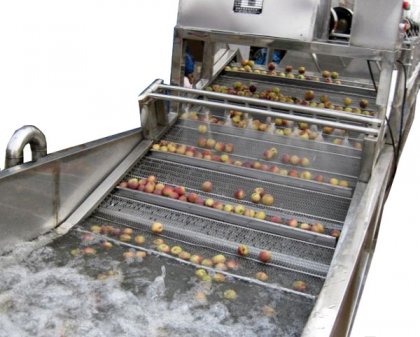

Compare four industrial fruit washing machine types and AGICO bubble washer models. Select by capacity, cleaning action, materials and fruit handling....
Follow six industrial mango juice processing steps, from sorting and pulping to blending, heat treatment, filling and cooling. See equipment choices and figures to confirm....
Compare gravity, pressure, vacuum, flow-meter and weighing juice filling machines. Learn how beverage type, bottle, capacity and cleaning needs guide selection....