
What beverage concepts reveal about fruit juice machinery selection
A beverage concept does not by itself predict equipment demand or market growth. Before specifying a production line, define the product formulation, target consumers, package, planned output, distribution temperature and intended shelf life. Validate demand with dated local sales and channel data, then test the proposed product and process at an appropriate scale.
Cold-chain equipment for refrigerated beverages
Refrigerated juice and tea products need a process designed around their ingredients and safety requirements. Extraction, blending, treatment, filling, packaging and cold storage must work together. A short labeled shelf life or a refrigerated package does not automatically mean a drink is fresher, safer or lower in additives. The shelf life must be established for the actual product and distribution conditions.
Not-from-concentrate juice describes how the juice is made; it is not a preservation method. High-pressure processing (HPP) is a separate treatment that may be suitable for some packaged beverages when the process is validated. It is not the same as cold pressing, and it does not remove the need to assess refrigeration, package compatibility and shelf life. The FDA juice processing guidance describes product-specific validation, including HPP.
Automation choices for fruit-juice and tea blends
For a juice-and-tea blend, confirm whether fruit solids, tea extract or other ingredients require filtration, mixing or controlled heating. Match pumps, tanks, treatment equipment and fillers to the beverage's viscosity, acidity, particulates and container. Automation can support repeatability and traceability, but food safety still depends on a validated process, hygienic design, cleaning, monitoring and operator procedures. Compare line speed against the slowest process step and the actual package format.
When alcoholic beverage equipment is a separate project
Alcoholic drinks can require fermentation, blending, alcohol-compatible materials and different filling and compliance controls. A fruit-juice line should not be assumed to cover those operations. If both beverage types are planned, define the products and regulatory requirements first, then assess shared equipment and necessary separation with the process designer.
Machinery investment should follow a documented product and plant plan: raw-material supply, treatment and packaging trials, utilities, cleaning, cold-chain capacity where needed, and total operating cost. The FAO juice-process planning guide provides a useful checklist. Contact us with the product, package and target capacity to discuss suitable machinery.
- Fruit Juice Production Line
- Citrus Juice Processing Line
- Mango juice production line
- Apple Juice Processing Line
- Pineapple Juice Processing Line
- Pomegranate juice processing line
- Lychee juice processing plant
- Grape Juice Processing Line
- Full Automatic Milk Processing Plant
- Plant Protein Beverage Production Line
- Coconut Water Processing Line
- Industrial Coconut Milk Processing Line and Extraction Equipment
- Fruit Crusher Machine
- Tubular Fruit Preheater
- Steam Jacketed Kettle
- Fruit Belt Press Filter
- Spiral Juice Extractor
- Fruit Peeling and Squeezing Machine
- Citrus Fruits Peel Essential Oil Extractor
- Double Screw Extractor for Grape
- Fruit Pulping Machine
- Mango Peeling and Destoning Machine
- Grape Destemmer Crusher
- Automatic Coconut Cutting Machine
- Tender Coconut Half Cutting Machine
- grape wine squeezing machine
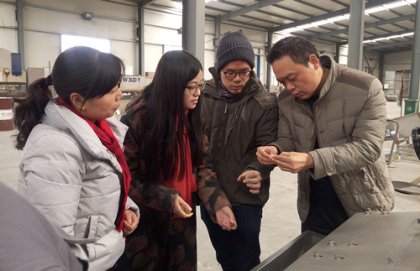
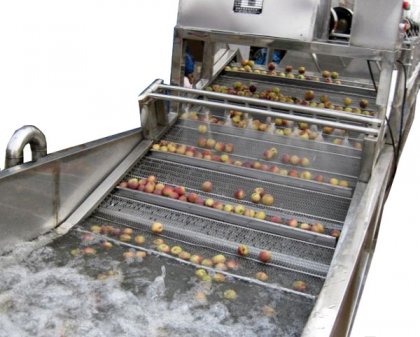

Compare four industrial fruit washing machine types and AGICO bubble washer models. Select by capacity, cleaning action, materials and fruit handling....
Follow six industrial mango juice processing steps, from sorting and pulping to blending, heat treatment, filling and cooling. See equipment choices and figures to confirm....
Compare gravity, pressure, vacuum, flow-meter and weighing juice filling machines. Learn how beverage type, bottle, capacity and cleaning needs guide selection....