
Fruit and vegetable drinks include several product types. The terms below describe common processing approaches; they are not universal legal definitions or minimum-content rules. Confirm the product name, ingredient declaration and required fruit or vegetable content against the rules of each sales market before choosing a formulation or label.
Fruit juice (syrup) and fruit juice beverage

- Fruit juice. Juice is obtained from the edible part of fruit by a suitable extraction process. Some products are made by reconstituting juice concentrate with water. The permitted product name and any added ingredients depend on the applicable standard and label rules.
- Fruit pulp. Pulp or puree retains more of the fruit's finely divided edible solids than a clarified juice. Equipment selection depends on the fruit, desired texture and whether seeds, skins or coarse fibers must be separated.
- Concentrated fruit juice and concentrated fruit pulp. Part of the water is removed from juice or puree. A concentrate can later be reconstituted for a specified product, but the water addition and label claim must match the applicable product specification.
- Fruit pulp beverage. A beverage can be formulated from pulp or puree with water and other ingredients. Required pulp content and naming rules vary by market and product type; one fixed grams-per-liter figure does not describe all such beverages.
- Fruit juice beverage. A juice drink can be formulated from juice or concentrate with water and other ingredients. Its fruit content and label should be distinguished from a product sold as 100% juice.
- Fruit pieces or pulp beverage. Some drinks contain visible fruit pieces or pulp. Particle size, settling behavior, filling equipment and any content declaration should be set for the intended recipe and market.
Vegetable juice and vegetable juice beverage

- Vegetable juice. Juice can be obtained from vegetables such as tomatoes. Salt, sugar or other ingredients are recipe choices, not a requirement in every vegetable juice.
- Vegetable juice beverage. A drink can combine vegetable juice with water or other ingredients. Check the applicable content and labeling rules for the intended market.
- Mixed fruit and vegetable juice drink. Fruit and vegetable components can be blended in different ratios. The product name and declared content should reflect the actual formulation.
- Fermented vegetable juice drink. Fermentation is a separate processing route that requires suitable cultures, process controls and product-specific safety validation; added sugar or salt is not universal.
- Other plant drinks. Mushroom and algae drinks may need different ingredients, equipment and classification. They should not automatically be presented as vegetable juice.
For China, GB/T 31121-2014 is a current fruit and vegetable juice and beverage standard. Other markets may use different definitions; consult the current rules for the destination market before making numerical content claims.
The processing line of fruit and vegetable juice beverage
Start with the raw material, target recipe, required capacity and package. A line may include washing and sorting, crushing or pulping, extraction, blending, a validated treatment step, filling and cleaning. AGICO supplies fruit juice processing machinery and complete processing lines. Contact us with your product specification for an equipment proposal.
- Fruit Juice Production Line
- Citrus Juice Processing Line
- Mango juice production line
- Apple Juice Processing Line
- Pineapple Juice Processing Line
- Pomegranate juice processing line
- Lychee juice processing plant
- Grape Juice Processing Line
- Full Automatic Milk Processing Plant
- Plant Protein Beverage Production Line
- Coconut Water Processing Line
- Industrial Coconut Milk Processing Line and Extraction Equipment
- Fruit Crusher Machine
- Tubular Fruit Preheater
- Steam Jacketed Kettle
- Fruit Belt Press Filter
- Spiral Juice Extractor
- Fruit Peeling and Squeezing Machine
- Citrus Fruits Peel Essential Oil Extractor
- Double Screw Extractor for Grape
- Fruit Pulping Machine
- Mango Peeling and Destoning Machine
- Grape Destemmer Crusher
- Automatic Coconut Cutting Machine
- Tender Coconut Half Cutting Machine
- grape wine squeezing machine
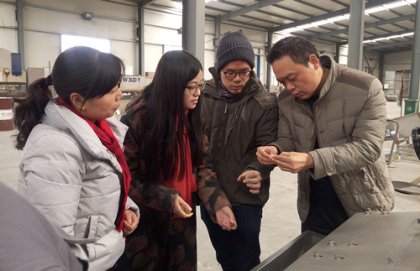
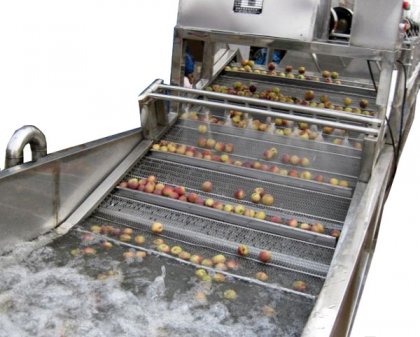

Compare four industrial fruit washing machine types and AGICO bubble washer models. Select by capacity, cleaning action, materials and fruit handling....
Follow six industrial mango juice processing steps, from sorting and pulping to blending, heat treatment, filling and cooling. See equipment choices and figures to confirm....
Compare gravity, pressure, vacuum, flow-meter and weighing juice filling machines. Learn how beverage type, bottle, capacity and cleaning needs guide selection....