
Cold-pressed juice is made by mechanically squeezing prepared fruit or vegetables, often with a slow press rather than a high-speed centrifugal extractor. The extraction equipment and handling conditions vary. Pressing at a lower temperature can affect flavor and texture, but it does not automatically make the juice lower in calories or higher in every nutrient. For a commercial juice processing line, raw-material quality, sanitation, treatment, packaging, and storage matter alongside the press.

Differences between cold pressed juice and fresh juice
Both cold-pressed and freshly squeezed juice start with fruit or vegetables. A centrifugal juicer uses a rotating mechanism, while a press applies mechanical pressure. Neither method has a universal nutritional advantage: results depend on the produce, equipment, oxygen exposure, any later processing, and storage. Taste is also a matter of the ingredients and the drinker's preference.
Extraction should not be confused with high-pressure processing (HPP), a separate treatment sometimes applied to packaged juice. Cold pressing alone does not make untreated juice safe from harmful bacteria. See the FDA's juice safety advice when choosing or preparing juice.

Characteristics of cold pressed juice
A slow press may produce a flavor or texture that some people prefer. Nutrient levels can change with the fruit variety, preparation, processing, and storage, so claims that ordinary juice loses most nutrients within one hour or that cold-pressed juice keeps all nutrients for three days are not reliable general rules. Follow the product's validated shelf life and storage instructions. Refrigeration slows spoilage but does not replace a validated safety treatment.

When is the best time to drink cold pressed juice?
There is no special time of day that makes cold-pressed juice nutritionally superior. Choose a serving that fits your diet and check the label for ingredients, sugars, and storage instructions. Juice may provide some vitamins and minerals, but it usually contains less fiber than the whole fruit or vegetable. If the juice has not been pasteurized or otherwise treated, consider the food-safety risk, especially for children, older adults, pregnant people, and people with weakened immune systems.
How to make cold pressed juice on your own?
Choose produce suitable for your press and follow the equipment manual; soft or fibrous ingredients may need different preparation. Wash hands and produce, remove damaged parts, and clean food-contact surfaces as directed. Home pressing does not provide a validated pathogen-reduction treatment, so prepare and handle the juice with food safety in mind. If you are selecting a commercial fruit juice machine, confirm the raw materials, capacity, cleaning needs, and downstream treatment with the supplier.

Technology Details of Cold Pressing
Cold-press systems may use a hydraulic press or another low-speed mechanical design to separate liquid from pulp. Yield, temperature rise, pulp content, and maintenance needs depend on the specific equipment and ingredients. Commercial shelf life and safety must be established for the full process, including any validated treatment, hygienic filling, packaging, and storage.
- Fruit Juice Production Line
- Citrus Juice Processing Line
- Mango juice production line
- Apple Juice Processing Line
- Pineapple Juice Processing Line
- Pomegranate juice processing line
- Lychee juice processing plant
- Grape Juice Processing Line
- Full Automatic Milk Processing Plant
- Plant Protein Beverage Production Line
- Coconut Water Processing Line
- Industrial Coconut Milk Processing Line and Extraction Equipment
- Fruit Crusher Machine
- Tubular Fruit Preheater
- Steam Jacketed Kettle
- Fruit Belt Press Filter
- Spiral Juice Extractor
- Fruit Peeling and Squeezing Machine
- Citrus Fruits Peel Essential Oil Extractor
- Double Screw Extractor for Grape
- Fruit Pulping Machine
- Mango Peeling and Destoning Machine
- Grape Destemmer Crusher
- Automatic Coconut Cutting Machine
- Tender Coconut Half Cutting Machine
- grape wine squeezing machine
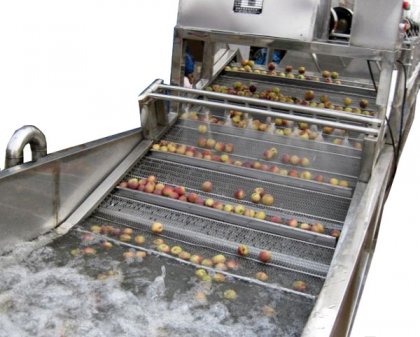

Compare four industrial fruit washing machine types and AGICO bubble washer models. Select by capacity, cleaning action, materials and fruit handling....
Follow six industrial mango juice processing steps, from sorting and pulping to blending, heat treatment, filling and cooling. See equipment choices and figures to confirm....
Compare gravity, pressure, vacuum, flow-meter and weighing juice filling machines. Learn how beverage type, bottle, capacity and cleaning needs guide selection....