
1. Identify the fruits and products. A line should be planned around the actual raw material, juice or pulp specification, package and target output. Citrus, pineapple, mango and pomegranate can require different preparation and extraction steps. A dedicated machine is not automatically the best choice for every plant; compare the expected yield, changeover time, cleaning needs and seasonal use of each configuration. Review an example citrus juice processing line, then ask the supplier to map equipment to your own fruit and finished product.

2. Compare value using the full process. Ask what each quotation includes, from receiving and washing through extraction, treatment, filling and packing where required. Compare usable line throughput, material losses, utilities, labor and maintenance as well as the purchase price. The AGICO juice processing lines catalog provides examples of equipment; the correct combination still depends on your project specification. Market-share or technology-ranking claims are not a substitute for a written process proposal.
3. Check supplier evidence. Request relevant business, quality-system and product documents, and verify that any certification applies to the legal entity, equipment model and destination market in question. A certificate alone cannot guarantee product quality or after-sales service. Ask for references or comparable installations that you can verify and define warranty, spare parts and response responsibilities in the contract.

4. Test the proposed process. Review materials in contact with food, access for cleaning and inspection, controls, safety features and maintenance points. Where practical, arrange a trial using representative fruit, recipe and packaging. Agree in advance on the test method and acceptable output, yield and quality measures. A demonstration under different conditions cannot prove how the line will perform in your plant.

5. Define service before ordering. Ask who will install and commission the equipment, train operators, provide manuals and supply critical spares. Document the warranty exclusions, support channels and response arrangements. Discuss seasonal production needs and the cost of a stoppage, then compare the actual support offered in each quotation rather than relying on a general turnkey or network claim.

6. Size the line for realistic demand. A larger or more automated line is not necessarily more profitable. Match capacity to raw-material supply, operating days, shift pattern, package sizes, utilities and demand. Compare flexibility and maintenance access with the capital and running costs of each option. The FAO juice plant planning guide sets out raw-material, facility, equipment and supplier factors to examine. Share these project details with AGICO for a line proposal that states its assumptions and scope.
- Fruit Juice Production Line
- Citrus Juice Processing Line
- Mango juice production line
- Apple Juice Processing Line
- Pineapple Juice Processing Line
- Pomegranate juice processing line
- Lychee juice processing plant
- Grape Juice Processing Line
- Full Automatic Milk Processing Plant
- Plant Protein Beverage Production Line
- Coconut Water Processing Line
- Industrial Coconut Milk Processing Line and Extraction Equipment
- Fruit Crusher Machine
- Tubular Fruit Preheater
- Steam Jacketed Kettle
- Fruit Belt Press Filter
- Spiral Juice Extractor
- Fruit Peeling and Squeezing Machine
- Citrus Fruits Peel Essential Oil Extractor
- Double Screw Extractor for Grape
- Fruit Pulping Machine
- Mango Peeling and Destoning Machine
- Grape Destemmer Crusher
- Automatic Coconut Cutting Machine
- Tender Coconut Half Cutting Machine
- grape wine squeezing machine
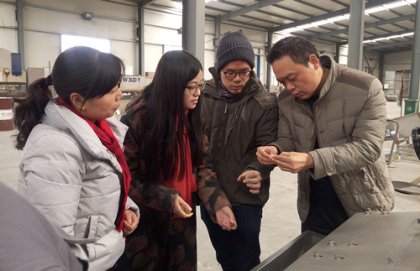
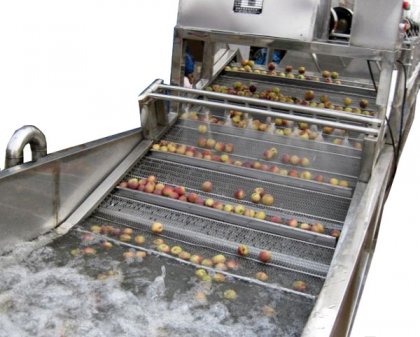

Compare four industrial fruit washing machine types and AGICO bubble washer models. Select by capacity, cleaning action, materials and fruit handling....
Follow six industrial mango juice processing steps, from sorting and pulping to blending, heat treatment, filling and cooling. See equipment choices and figures to confirm....
Compare gravity, pressure, vacuum, flow-meter and weighing juice filling machines. Learn how beverage type, bottle, capacity and cleaning needs guide selection....