
Mango juice is valued for its flavor and can be part of a varied diet. Its nutritional profile depends on the amount of mango, whether pulp is retained, any added ingredients, serving size, and processing method. A mango beverage should not be presented as a treatment for disease.
 |
 |
Benefits of Drinking Mango Juice: What the Product Can Support
1. Mango Content and Nutrients
Mango-based drinks may contribute fruit-derived nutrients, but the amounts in a packaged juice or nectar vary by recipe and serving. Use tested nutrition information for the actual product before making a vitamin, mineral, or antioxidant claim; a general description of mango fruit does not establish what is in every glass of juice.
2. Whole Mango, Puree, and Filtered Juice
Whole mango, pulp-rich puree, and filtered juice have different textures and compositions. Straining can remove some pulp, so a beverage should not be assumed to provide the same dietary fiber as whole fruit. Check the ingredient and nutrition label for the specific drink.
 |
 |
3. Total Sugar and Added Sugar
Fruit can contribute naturally occurring sugar, while a formulated mango beverage may also contain added sugar. These are separate entries on the U.S. Nutrition Facts label: FDA explains total and added sugars. Compare the serving size, ingredients, total sugars, and added sugars instead of assuming natural fruit sugar makes unlimited juice intake advisable.
4. Serving Size and Product Choice
The label identifies the serving size and helps consumers compare 100% juice with nectar or other mango drinks. Flavor preference, diet, and any individual health needs should guide the choice. The appropriate amount depends on the person and the rest of the diet; this page makes no medical-outcome claim.
5. Juice Processing and Food Safety
Fruit washing and hygienic handling are important, but juice may also require pasteurization or another validated treatment. FDA's juice-safety guidance explains the risks of untreated juice, particularly for vulnerable consumers. The correct treatment and storage conditions depend on the finished product and applicable local rules.
 |
 |
From Mango Fruit to a Commercial Beverage
6. Formulation, Stability, and Label Accuracy
Mango juice, nectar, and puree beverages can differ in fruit content, water, sugar, pulp, and other permitted ingredients. Mixing, filtration, homogenization, deaeration, and heat treatment are selected for the recipe and intended packaging. Shelf life and nutritional claims must be supported by product-specific testing and the rules of the destination market.
7. Mango Juice Production Equipment
For a commercial project, the processing sequence may include fruit sorting and washing, destoning and pulping, blending, validated heat treatment, filling, and packing. Equipment choices depend on raw mango condition, desired product, hourly capacity, and container type. See the Mango Juice Production Line and share your requirements for an equipment proposal.

- Fruit Juice Production Line
- Citrus Juice Processing Line
- Mango juice production line
- Apple Juice Processing Line
- Pineapple Juice Processing Line
- Pomegranate juice processing line
- Lychee juice processing plant
- Grape Juice Processing Line
- Full Automatic Milk Processing Plant
- Plant Protein Beverage Production Line
- Coconut Water Processing Line
- Industrial Coconut Milk Processing Line and Extraction Equipment
- Fruit Crusher Machine
- Tubular Fruit Preheater
- Steam Jacketed Kettle
- Fruit Belt Press Filter
- Spiral Juice Extractor
- Fruit Peeling and Squeezing Machine
- Citrus Fruits Peel Essential Oil Extractor
- Double Screw Extractor for Grape
- Fruit Pulping Machine
- Mango Peeling and Destoning Machine
- Grape Destemmer Crusher
- Automatic Coconut Cutting Machine
- Tender Coconut Half Cutting Machine
- grape wine squeezing machine
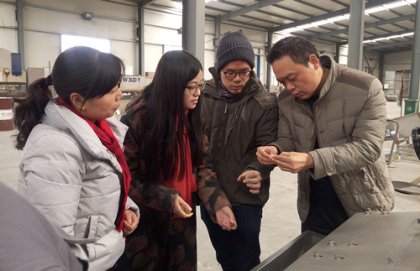
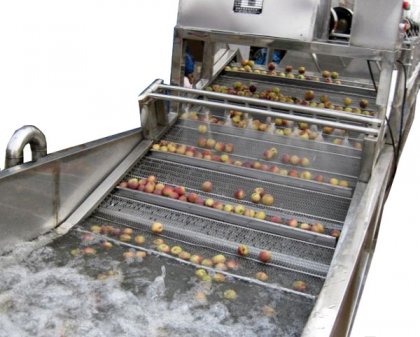

Compare four industrial fruit washing machine types and AGICO bubble washer models. Select by capacity, cleaning action, materials and fruit handling....
Follow six industrial mango juice processing steps, from sorting and pulping to blending, heat treatment, filling and cooling. See equipment choices and figures to confirm....
Compare gravity, pressure, vacuum, flow-meter and weighing juice filling machines. Learn how beverage type, bottle, capacity and cleaning needs guide selection....