
Tube-in-Tube Sterilizer for Juice and Viscous Products
The tube-in-tube sterilizer uses a tubular heat exchanger to heat and cool suitable liquid foods. It is intended for products such as fruit juice, milk and beverages, including selected products with fibers, small particles or higher viscosity that require a suitable tubular flow path. Final suitability depends on product characteristics, particle size, required treatment and equipment configuration.

Four-Layer Tubular Heat Exchanger Structure
The described tube-in-tube design uses four concentric layers: the product flows through the designated passage while heating or cooling media flow through adjacent passages. The system can include a product receiving tank, hot-water tank, pumps, dual filter, tubular heat exchanger, steam inlet, valves, sensors, PLC controls and control cabinet. The exact flow passages and material specifications should be confirmed in the final process drawing.

How the Tubular Juice Sterilizer Works
Product moves from a feed tank into the tubular heating section. Heated water transfers energy across the tube walls until the product reaches the specified treatment temperature, after which it passes through a holding section. Cooling water or chilled water lowers the product to the required outlet temperature before filling or other downstream processing. Temperature, flow rate and holding time must be set and validated for each product.
Tube-in-Tube Sterilizer Features and Process Controls
- Indirect hot-water heating supports controlled heat transfer to the product.
- The tubular layout can be selected for suitable viscous or fiber-containing products after process review.
- PLC and human-machine interface options support monitoring of liquid level and temperature.
- A product-diversion or recirculation function can be specified when the required treatment temperature is not achieved.
- Food-contact material grade, heat recovery and maintenance access are finalized for the chosen configuration.

Cleaning and Aseptic Filling Integration
CIP and SIP options can be designed for integration with a compatible aseptic bag filling machine. Cleaning and sterilization cycles, chemicals, utilities and validation requirements must be confirmed for the complete line before production.
- Fruit Juice Production Line
- Citrus Juice Processing Line
- Mango juice production line
- Apple Juice Processing Line
- Pineapple Juice Processing Line
- Pomegranate juice processing line
- Lychee juice processing plant
- Grape Juice Processing Line
- Full Automatic Milk Processing Plant
- Plant Protein Beverage Production Line
- Fruit Crusher Machine
- Tubular Fruit Preheater
- Steam Jacketed Kettle
- Fruit Belt Press Filter
- Spiral Juice Extractor
- Fruit Peeling and Squeezing Machine
- Citrus Fruits Peel Essential Oil Extractor
- Double Screw Extractor for Grape
- Fruit Pulping Machine
- Mango Peeling and Destoning Machine
- Grape Destemmer Crusher
- Automatic Coconut Cutting Machine
- Tender Coconut Half Cutting Machine
- grape wine squeezing machine
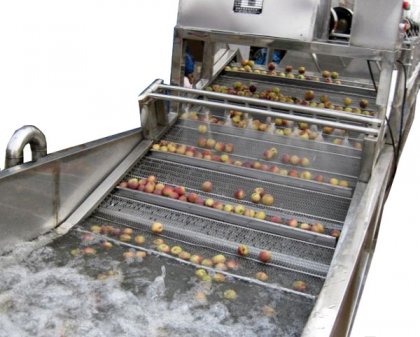

Compare four industrial fruit washing machine types and AGICO bubble washer models. Select by capacity, cleaning action, materials and fruit handling....
Follow six industrial mango juice processing steps, from sorting and pulping to blending, heat treatment, filling and cooling. See equipment choices and figures to confirm....
Compare gravity, pressure, vacuum, flow-meter and weighing juice filling machines. Learn how beverage type, bottle, capacity and cleaning needs guide selection....